Does Carrie Have the Shining? Her Powers and Stephen King Connection Explained
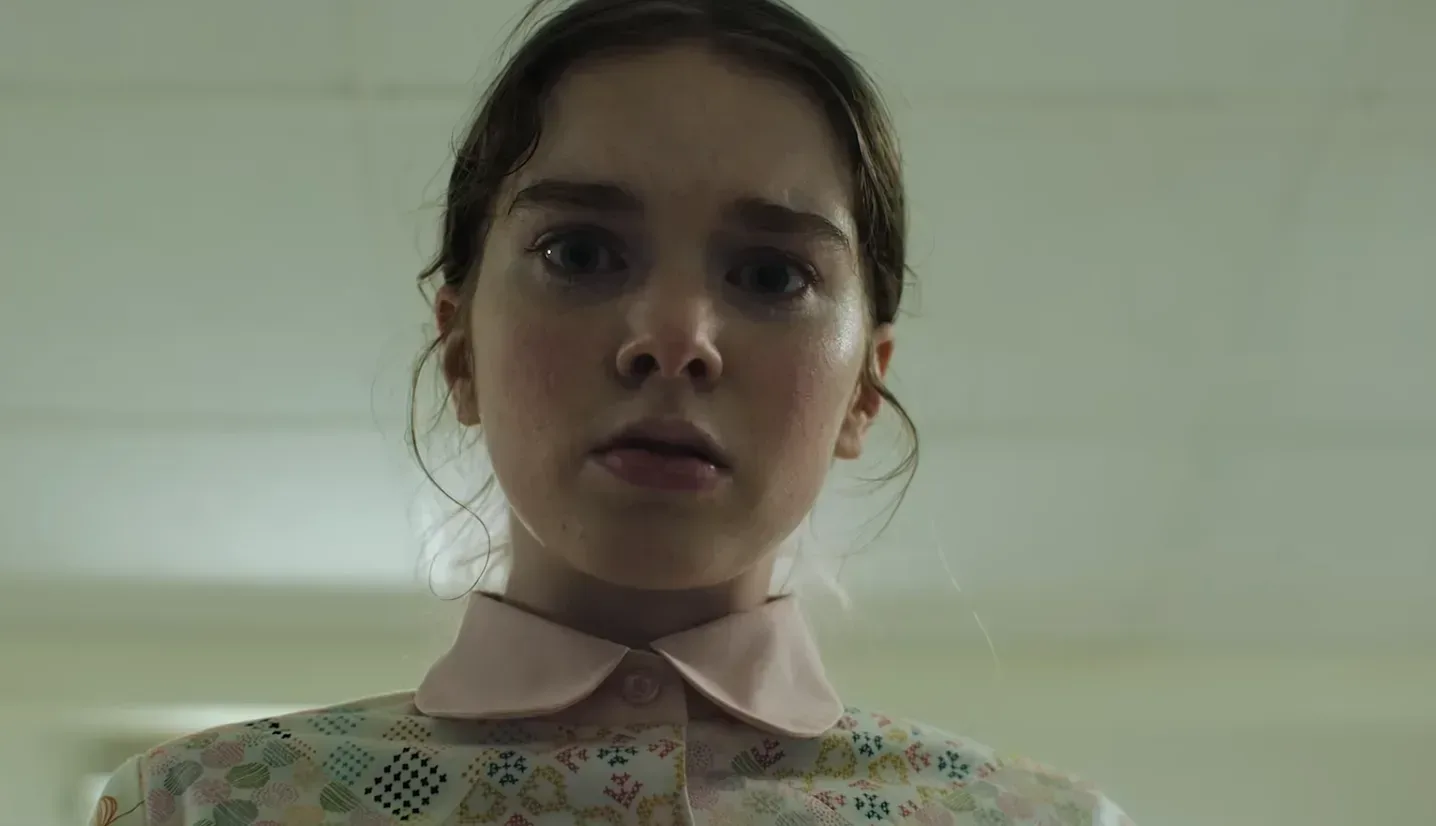
Mike Flanagan’s “Carrie” begins with a supernatural ability audiences have associated with Carrie White for more than 50 years: telekinesis. Summer H. Howell’s Carrie can move objects without touching them, and her control becomes increasingly powerful as she learns that the strange incidents surrounding her are not accidents or divine punishment. By the end of…
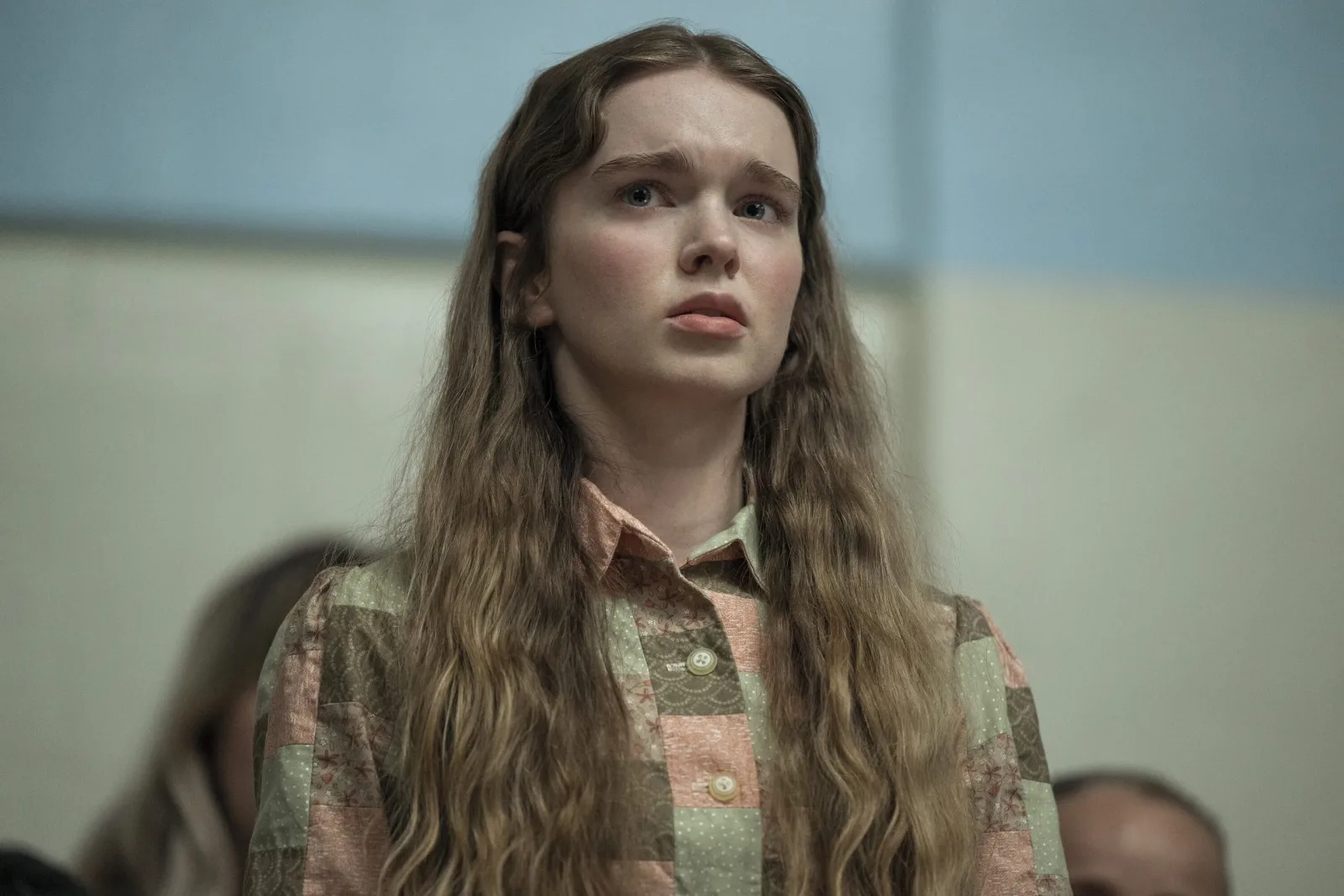
Mike Flanagan’s “Carrie” begins with a supernatural ability audiences have associated with Carrie White for more than 50 years: telekinesis. Summer H. Howell’s Carrie can move objects without touching them, and her control becomes increasingly powerful as she learns that the strange incidents surrounding her are not accidents or divine punishment. By the end of Prime Video’s first season, however, telekinesis is no longer presented as an isolated phenomenon belonging only to Carrie. The finale introduces the “TK gene,” reveals other people with very different psychic abilities, and quietly uses one particularly important Stephen King word to connect them all: “shine.”
That language substantially changes how Flanagan’s version of Carrie fits into King’s larger fictional world. “The Shining” was published three years after King’s 1974 debut novel “Carrie,” so the original book never describes Carrie White using the supernatural vocabulary King would develop later. Flanagan has now argued that if King had created Carrie slightly later, her abilities would effectively have been understood as a form of the Shining. That does not mean Carrie has exactly the same powers as Danny Torrance, but it does suggest that the series wants viewers to see them as different expressions of a larger psychic phenomenon.
Also Read: Carrie Season 1 Recap and Ending Explained: Does Carrie Survive and Where Does She Go With Emaline?
Does Carrie White Have the Shining?
In Mike Flanagan’s interpretation, the answer is essentially yes. Carrie possesses an unusually powerful psychic gift, with telekinesis being its clearest expression, and the Season 1 finale deliberately places that ability under the broader idea of having some degree of “shine.” The most explicit moment comes during Margaret White’s final interview, when Adelaide explains the hereditary nature of what her group calls the TK gene. After determining that Margaret’s ability is weak and largely dormant, Adelaide remarks that plenty of people have “a little bit of shine” without even realizing it.
That choice of language is not accidental. Before the series premiered, Flanagan explained that King’s original novel describes Carrie’s ability through the idea of a telekinetic gene, but that the mythology of King’s books had expanded considerably after “Carrie” was published. Flanagan’s view is that if Carrie had appeared after King’s terminology from “The Shining” had already existed, Carrie White would have been described as someone who had the Shining.
The series therefore does not suddenly give Carrie a new power in the finale. It changes the framework through which viewers are encouraged to understand the power she has possessed all along. Telekinesis is what Carrie can do, while the “shine” appears to be a broader way of describing extraordinary psychic potential.
Carrie’s Power Is Telekinesis, Not Danny Torrance’s Exact Gift
The distinction matters because “the Shining” has never meant that every gifted person possesses an identical list of abilities. Danny Torrance’s gift in “The Shining” involves extraordinary psychic sensitivity, visions and an ability to perceive things hidden from ordinary people. Dick Hallorann recognizes the same gift in Danny because he possesses a version of it himself, while “Doctor Sleep” later introduces Abra Stone as another exceptionally powerful person whose abilities extend into telepathy and other forms of psychic communication.
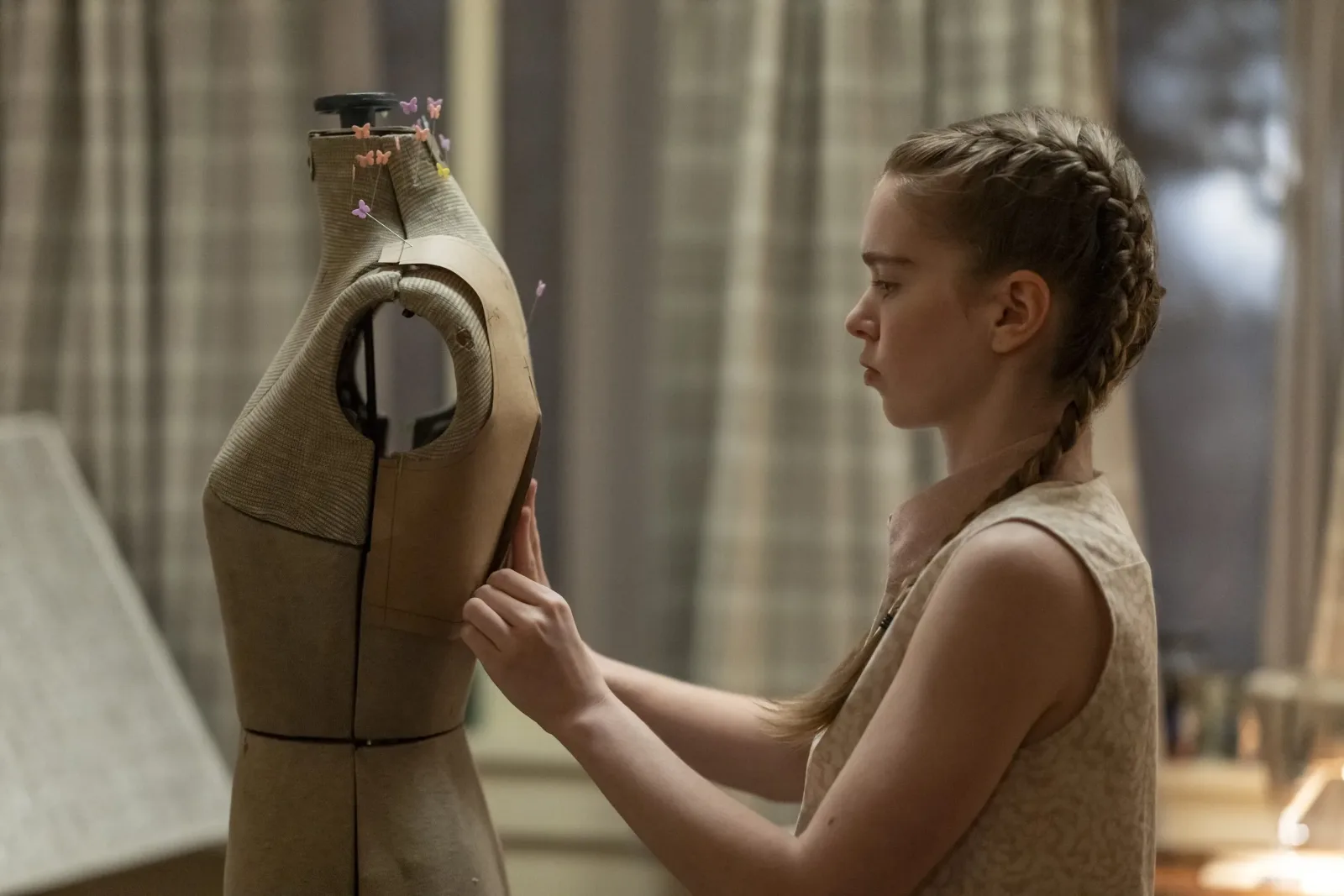
Carrie’s primary ability works differently. Her gift is telekinetic, meaning she can exert force on physical objects using her mind. Doors move, objects rise, structures respond to her concentration, and the range of what she can influence becomes increasingly dramatic as Season 1 progresses. The series also suggests that Carrie’s emotional condition affects how easily she accesses that power, although Emaline helps her understand that control is possible rather than treating every manifestation as something she must fear.
So saying that Carrie “has the Shining” should not be interpreted as saying that she has suddenly become another Danny Torrance. A better way to understand Flanagan’s idea is that “shine” functions like a broad psychic category, with different gifted people expressing that potential in different ways. Danny may experience visions and psychic communication, Carrie moves physical objects, and Emaline demonstrates an entirely different ability again.
What Is the TK Gene in Carrie?
Season 1 takes an idea that already existed in King’s novel and makes it much more important to the mythology. Adelaide tells Margaret that Carrie’s telekinesis comes from what her group calls the “TK gene,” an elusive inherited trait that can skip generations and remain dormant. In some people, the ability may never become noticeable at all. Under extreme circumstances, however, it can suddenly emerge.
Margaret becomes the finale’s proof. After spending Carrie’s entire life treating her daughter’s abilities as something frightening and unnatural, Margaret discovers that the same potential exists inside her. She remembers a possible childhood experience involving the ability, then unconsciously accesses telekinesis again while trapped during the collapse of the White house. Adelaide’s explanation suggests Margaret could have lived her entire life without knowing what she carried.
That revelation gives Carrie’s powers a biological component without reducing them to ordinary genetics. The series still treats these abilities as mysterious, but they are no longer random miracles appearing in one teenager. If the trait can move through families, skip generations and vary enormously in strength, Carrie represents an unusually powerful expression of something that may be far more widespread than anyone in Chamberlain understands.
Margaret’s story also gives the finale one of its sharpest ironies. She has spent years believing Carrie’s power separates her daughter from ordinary humanity, only to discover that Carrie may have inherited part of that ability through the same family that taught her to fear it.
Emaline Shows That the Shine Can Take Different Forms
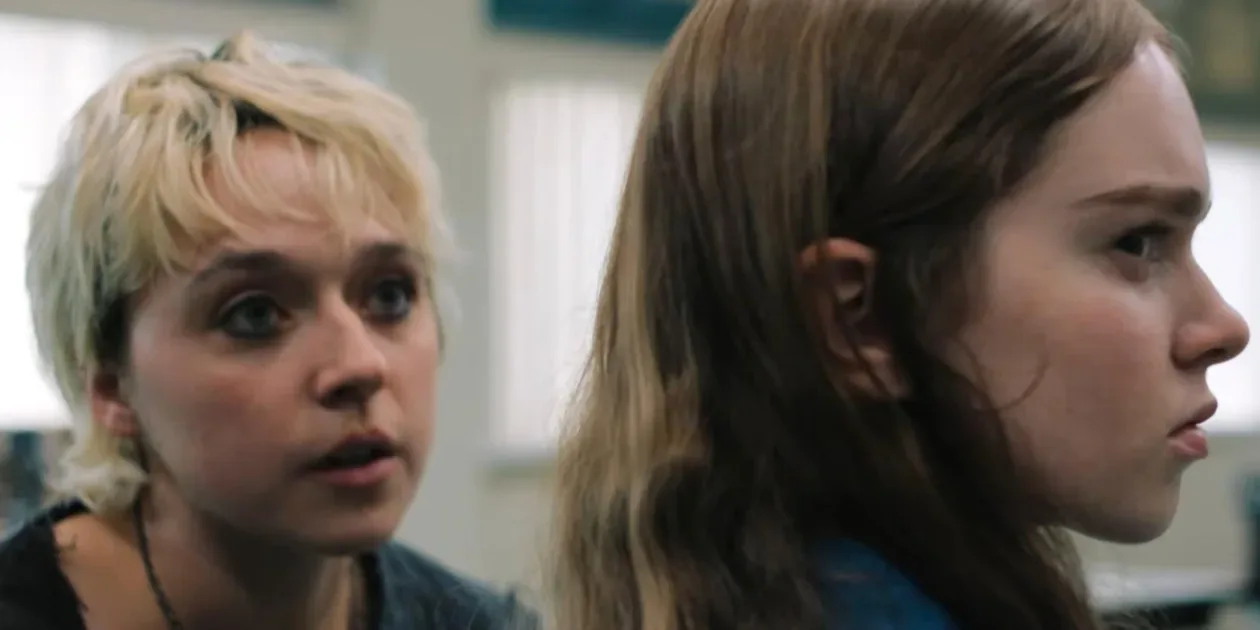
Emaline West makes the connection even clearer because her power bears almost no resemblance to Carrie’s. For much of Season 1, Carrie believes Emaline is physically standing beside her, only for camera footage to reveal Carrie apparently talking to empty space. The discovery leads Carrie to wonder whether loneliness caused her to invent Emaline completely. Episode 8 finally provides another explanation.
Adelaide identifies Emaline as an “A.P.,” meaning Astral Projector. Emaline can apparently project a version of herself across considerable distance, allowing Carrie to see and interact with her even while Emaline’s physical body is somewhere else. When Emaline eventually reaches Carrie in person, Carrie immediately notices that she can physically feel her in a way she could not before.
The introduction of Astral Projection is important because it demonstrates why “shine” works better as an umbrella idea than as the name of one specific ability. Carrie and Emaline are both extraordinary, but their powers operate differently. The same may be true of Adelaide and the other gifted women introduced through the season’s opening stories and finale.
Flanagan’s larger idea appears to be that Carrie White has entered a world that King gradually built across many books after publishing “Carrie.” She once seemed like an isolated supernatural exception because her novel came first. The television series can now look backward through decades of King mythology and ask what Carrie would have understood about herself if she had known other gifted people existed.

Could Carrie Be Connected to The Institute and Doctor Sleep?
This is where the article needs an important distinction between confirmed interpretation and hypothetical crossover. Flanagan has specifically used “The Institute” and “Doctor Sleep” when discussing where someone like Carrie might fit within King’s universe. The Institute centers on an organization interested in children with psychic abilities, while “Doctor Sleep” expands the mythology of people possessing the Shining through Danny Torrance, Abra Stone and the True Knot.
Flanagan has suggested that Carrie’s extraordinary abilities could make her the kind of person such groups would notice. That does not mean Prime Video’s “Carrie” has already confirmed that the Institute or the True Knot exists around the corner from Chamberlain. No character from either story arrives in Season 1, and Carrie does not learn that her powers came from one of those organizations. For now, those connections explain Flanagan’s creative thinking rather than confirm a crossover plot.
Still, Season 1 deliberately creates conditions in which such connections would no longer feel impossible. Carrie is being tracked, Emaline is hiding their destination, Adelaide belongs to a group with detailed knowledge about psychic abilities, and people with unusual gifts appear to have been finding one another for generations. The show has moved Carrie from a self-contained supernatural tragedy toward the kind of interconnected psychic world that later became common across King’s fiction.
That expansion also explains why Emaline is so important. Without her, Carrie could leave Chamberlain believing that she is simply an extraordinary anomaly. With Emaline beside her, she has direct proof that there are other people whose minds can do things the ordinary world cannot explain.
How Does Carrie Connect to The Dark Tower?
The Dark Tower makes the connection broader still. King’s Tower mythology has long functioned as one of the major structures linking otherwise separate stories, places and characters across his work. Carrie White herself is part of that wider network of references in King’s published universe, even though her original novel does not send her on anything resembling Roland Deschain’s journey.
Flanagan has said he thinks these stories exist, in his words, on a certain “level of the Tower.” That is a meaningful statement because he is also developing his own adaptation of “The Dark Tower” and has openly discussed how characters from other King stories could serve particular narrative purposes inside that mythology. Carrie, Danny Torrance and Abra Stone are among the gifted characters he has considered when thinking about those connections.
Again, Season 1 does not reveal a portal to the Dark Tower or announce that Carrie will appear in another series. The important development is conceptual. Flanagan is treating Carrie’s telekinesis as belonging naturally beside the psychic gifts King developed in later novels rather than isolating the 1974 story from everything that came afterward.
That makes the new “Carrie” unusual among adaptations of King’s first novel. It is not simply updating the clothes, technology and school culture around Carrie White. It is updating the supernatural mythology around her using more than five decades of Stephen King stories that did not exist when Carrie first appeared.
Carrie May Be Stronger Than Someone With “A Little Shine”
The finale’s wording also creates an intriguing distinction between simply possessing some psychic potential and being exceptionally powerful. Adelaide describes Margaret as someone with only a little shine, and Margaret’s ability appears difficult to access. Carrie is the opposite. Her telekinesis appears early, returns repeatedly and grows rapidly once she begins deliberately practicing it.
That makes Carrie’s place in this wider world particularly important. If extraordinary abilities exist on a spectrum, Carrie seems to occupy the far end of it rather than representing an ordinary example. Her emotions can produce enormous psychic responses, and Emaline takes a serious interest in helping her understand what she is capable of. Adelaide’s group is also concerned enough about Carrie’s movements that her escape becomes more than a local matter.
“Doctor Sleep” uses a similar idea with Abra Stone, whose shine is exceptional even among gifted people. Flanagan does not say Carrie and Abra possess the same ability or equal levels of power, and the show provides no basis for ranking them against each other. What it does establish is a world in which psychic talent varies from faint and dormant to impossible to ignore.
Carrie’s real discovery at the end of Season 1, then, is not simply that she can move things with her mind. She has known that for most of the season. The revelation is that her ability belongs to something larger, that her mother carried a version of it, that Emaline represents another branch of the same extraordinary world, and that people have been studying or organizing around these gifts long before Carrie entered public school.
That is why the reference to “shine” matters so much. It takes Stephen King’s first supernatural heroine and places her inside the language his universe developed only afterward. Carrie White is still telekinetic, but Mike Flanagan’s version no longer asks viewers to see her as alone.