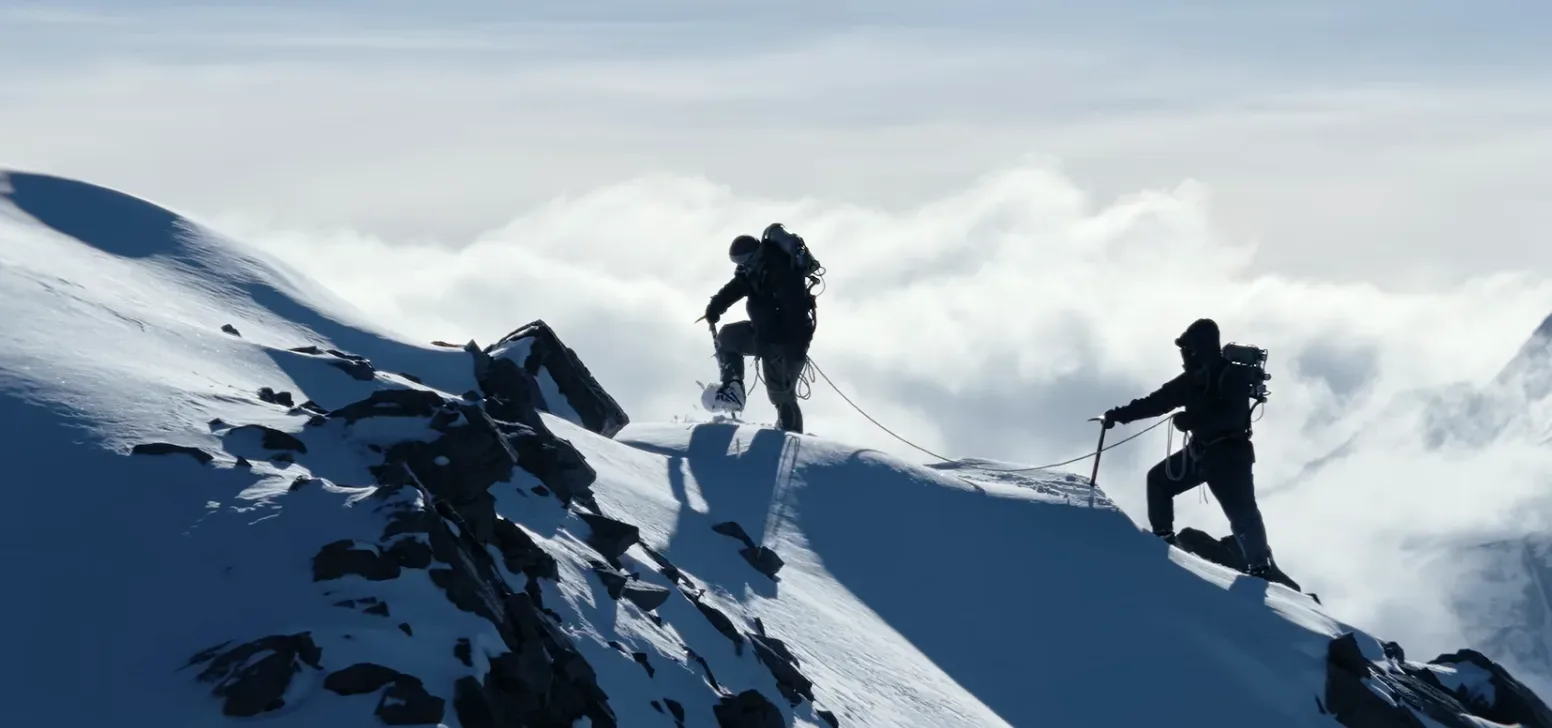
Digger Filming Locations
Cruise and Alejandro G. Inarritu's original comedy brings an unusual character to theaters. Here is the premise, the cast and the screening information that matters.

Alejandro G. Inarritu’s Digger gives Tom Cruise one of the most unusual roles of his career. He plays Digger Rockwell, an enormously powerful oil magnate whose actions help push the world toward an environmental crisis, forcing him into an increasingly desperate attempt to prove that he can also be the man who saves it. Riz Ahmed, Sandra Huller, Jesse Plemons, John Goodman and Michael Stuhlbarg join Cruise in the dark comedy, which Warner Bros. released in North American theaters on October 2, 2026.
The movie may move through corporate offices, political spaces and the consequences of a crisis that reaches far beyond one country, but the real production trail is much more concentrated. Digger was filmed in England, with Pinewood Studios in Buckinghamshire serving as its principal production base and Dunsfold Park Aerodrome in Surrey also appearing in filming records. The production ran from late 2024 into spring 2025 under the working title Judy, giving Inarritu and cinematographer Emmanuel Lubezki several months to build the film’s heightened world.
Also Read: Where Was Tenzing Filmed? Nepal and New Zealand Locations
Pinewood Studios was the heart of Digger
The strongest confirmed location behind Digger is Pinewood Studios in Iver Heath, Buckinghamshire. Production records list the studio as a principal filming site, and filming began there in November 2024 while the project was still widely known by its working title, Judy.
Pinewood is particularly well suited to a production that needs to move quickly between very different environments. The studio currently operates 30 stages, three exterior backlots, production offices, workshops and dedicated hair and makeup spaces, giving a filmmaker the ability to construct large interior worlds without moving the entire company between practical locations.
That flexibility matters in Digger because Rockwell’s world is intentionally exaggerated. His wealth, business empire and political access all need to feel larger than ordinary life, while the film gradually expands toward a crisis with global consequences. Rather than relying on a long list of recognizable public buildings, much of that visual identity could be controlled inside one major production complex.
Pinewood’s facilities also help explain why the available location record is relatively short for a movie that feels geographically expansive. The studio’s backlots and sound stages can be transformed into environments that have little obvious connection to Buckinghamshire once production design, lighting and visual effects are added.
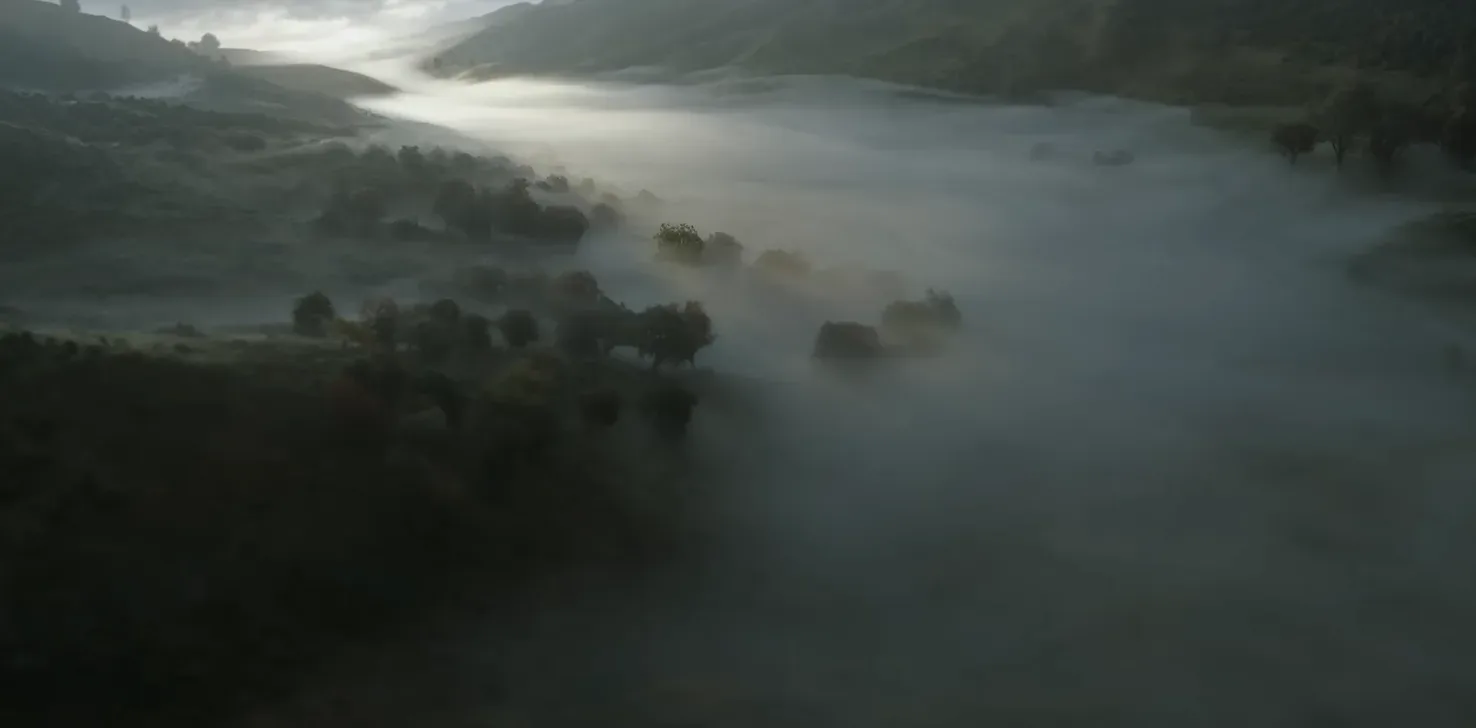
Digger spent roughly six months in production
Principal photography began in November 2024 and continued into May 2025. IMDb’s production record places filming between those months, while contemporary reporting around the end of the shoot said work wrapped on May 3 after a lengthy production period at Pinewood.
The long schedule reflects the scale of what Inarritu was attempting. Digger was photographed in VistaVision, with Lubezki returning to collaborate with the director after their previous work together on films including Birdman and The Revenant. Warner Bros. has confirmed that the finished movie was shot entirely in VistaVision, a format that gave the production a large image area well suited to the film’s elaborate compositions and theatrical scale.
The shoot was briefly interrupted in March 2025 after John Goodman suffered a hip injury during production. He received medical treatment, and work was temporarily affected before filming continued. The incident did not prevent the movie from completing production that spring.
By the time Digger reached theaters in fall 2026, the physical shoot had therefore been finished for well over a year, leaving a substantial period for editing, visual effects and the rest of post-production.

Dunsfold Park Aerodrome adds a second confirmed location
Filming records also identify Dunsfold Park Aerodrome in Surrey as a Digger location. The former airfield sits near the village of Dunsfold and has a long history of screen production because its runways, hangars and large open areas can be adapted for aviation, transport and large-scale exterior work.
The location is particularly familiar to British viewers because it served for years as the home of Top Gear’s test track. It has also been used by major film and television productions requiring controlled access to runways and aircraft-related environments.
What should be treated more cautiously is exactly which Digger scenes were filmed there. The available production records confirm Dunsfold as a location, but they do not provide a reliable scene-by-scene breakdown. It would therefore be premature to assign every aircraft, transport or emergency-response sequence in the finished movie to the aerodrome simply because the setting would logically suit them.
For location-focused readers, that distinction matters. Dunsfold is a confirmed part of the production footprint, but its exact role in the finished film is less thoroughly documented than Pinewood’s position as the central base.
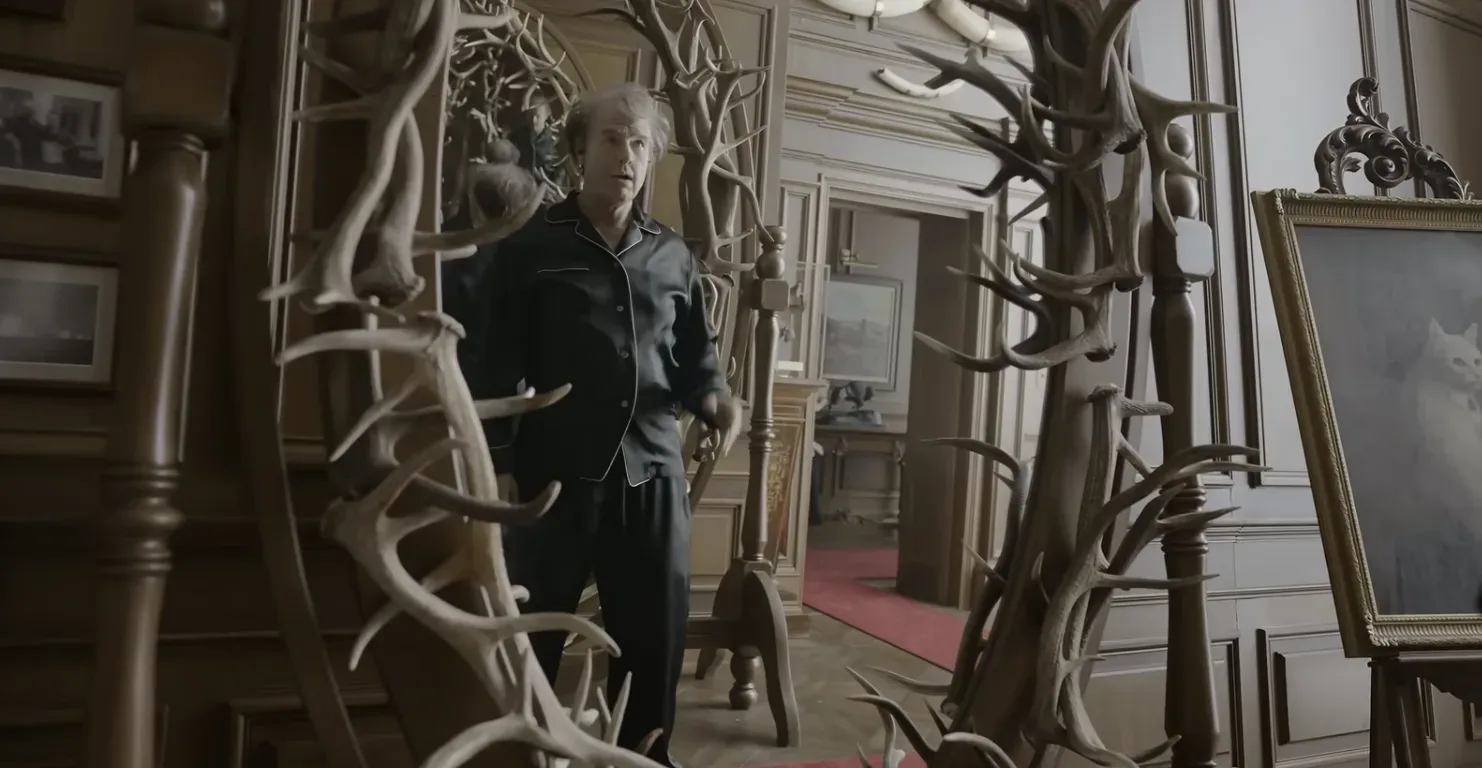
England stands in for a much larger world
One of the more interesting aspects of Digger’s production is how little its real geography resembles the scale suggested on screen. The movie’s story reaches into environmental catastrophe, international politics and Rockwell’s enormous corporate world, yet the most clearly documented filming locations sit within southern England.
That is a familiar production strategy for large studio movies. A place such as Pinewood allows filmmakers to create American offices, government interiors, luxury spaces and fictional environments without needing each scene to be photographed where the story says it takes place. Dunsfold then provides a controlled outdoor location with enough physical scale to support sequences that would be difficult to stage inside a conventional studio building.
The contrast is particularly appropriate for Inarritu’s film because Digger itself operates in a deliberately artificial, heightened version of reality. Production designer Dennis Gassner and Richard Johnson were responsible for shaping that world, while Lubezki’s cinematography gives it a visual identity that does not depend on audiences recognizing a specific English location.
As a result, viewers searching for Rockwell’s office or his futuristic home should be careful about assuming those are real public places that can be visited. The available production evidence supports Pinewood as the studio base, but does not establish those individual interiors as identifiable real-world buildings.
Pinewood also supported Cruise’s transformation into Digger
The production’s location story is closely connected to Cruise’s physical transformation. Digger Rockwell looks markedly different from the actor’s familiar screen persona, with prosthetic work, altered hair and a heavier silhouette helping create the character.
Cruise has explained during promotion that the transformation initially required roughly six hours in hair and makeup. He then challenged the team to reduce that process dramatically by timing individual stages and repeatedly refining how each prosthetic element was applied.
That kind of makeup-heavy performance benefits from a permanent production base such as Pinewood, where dedicated makeup spaces, workshops and stages can sit close together. The studio officially lists specialist hair and makeup facilities alongside its production accommodation, allowing departments to work inside the same controlled complex.

The result is another example of why Digger’s most important filming location is not necessarily a scenic public landmark. Much of what makes the movie visually distinctive was built through production design, makeup, cinematography and controlled studio work rather than by simply pointing the camera at recognizable tourist destinations.
Can fans visit the Digger filming locations?
Pinewood Studios is a working film and television production facility, not a conventional movie-location attraction where visitors can freely tour active stages. Its Iver Heath site is therefore best understood as Digger’s production home rather than a normal sightseeing stop.
Dunsfold Park is likewise a large private development and former aerodrome rather than a location where movie fans should assume unrestricted access. Anyone interested in the site’s aviation or screen history should check current access arrangements rather than arriving based only on its production credits.
For now, Digger is a filming-location story built more around filmmaking infrastructure than recognizable street addresses. Its fictional world looks enormous, but the clearest real trail leads back to two English production hubs: Pinewood Studios in Buckinghamshire and Dunsfold Park Aerodrome in Surrey. That relatively compact footprint makes the finished movie’s scale even more impressive, especially for a satire designed to feel as though Digger Rockwell’s problems have spread across the entire world.