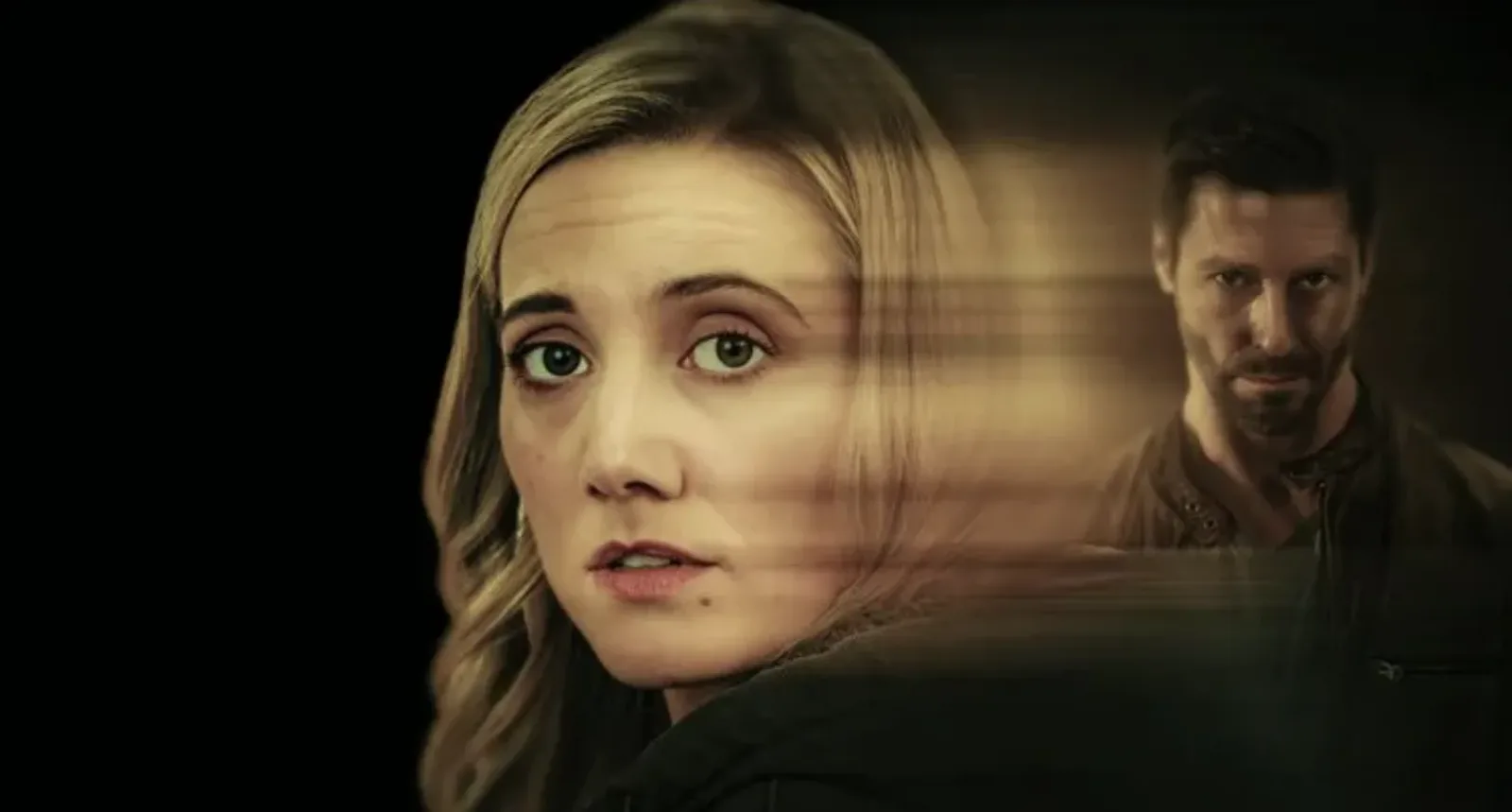
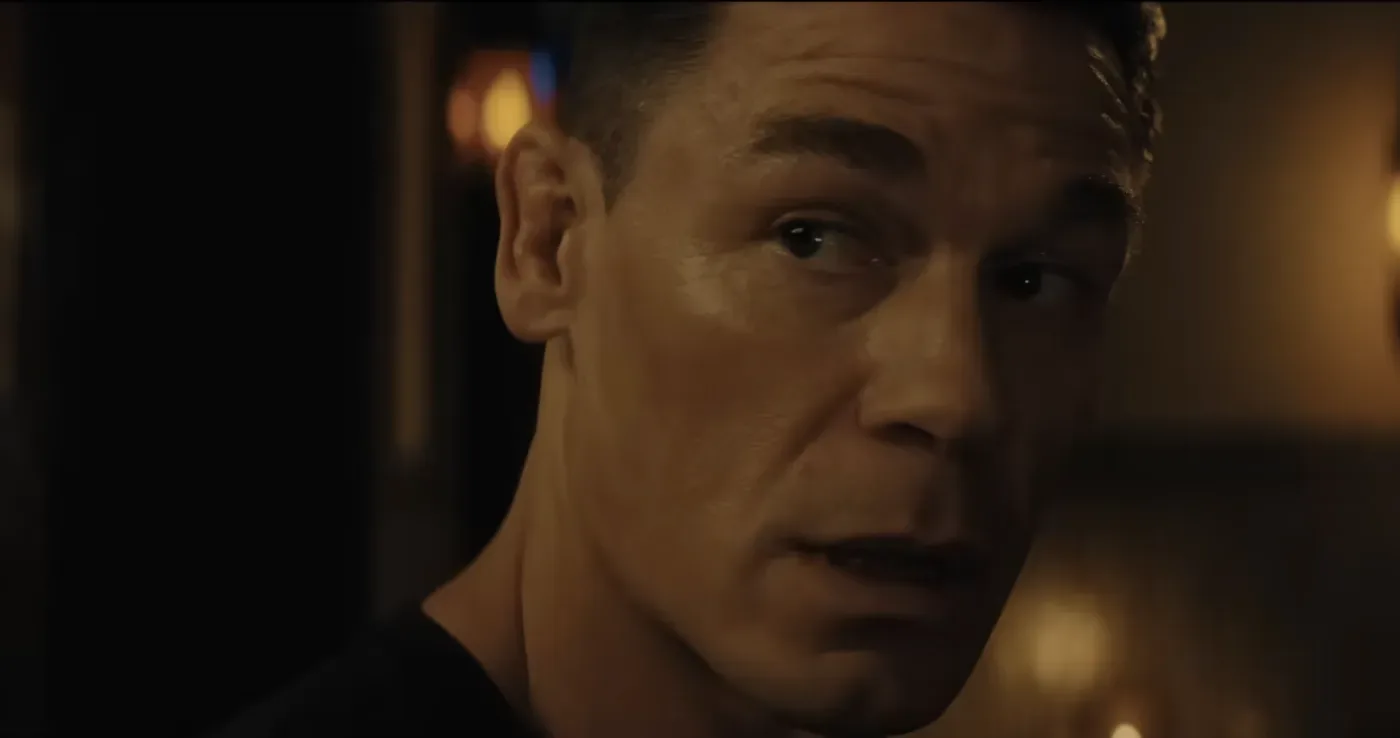
A Private Life (Vie privée) Recap and Ending Explained: Who Really Killed Paula?
Rebecca Zlotowski’s “A Private Life,” also titled “Vie privée,” begins with a psychotherapist losing control of the one thing she trusts most: her own interpretation of other people. Dr. Lilian Steiner has built her career around listening, recording and reviewing. Yet when her patient Paula Cohen-Solal dies, Lilian cannot accept that the answer might exist…
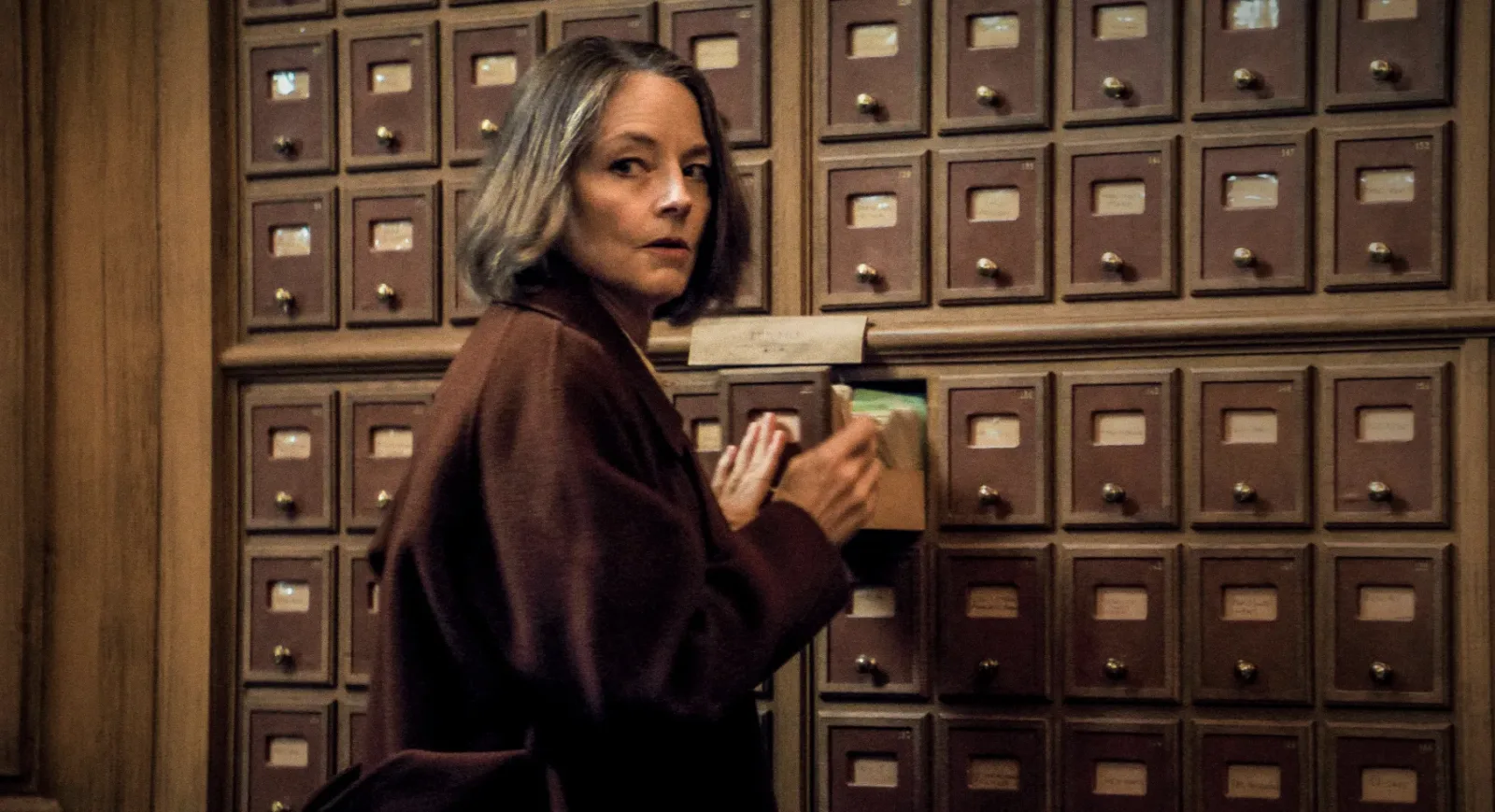
Rebecca Zlotowski’s “A Private Life,” also titled “Vie privée,” begins with a psychotherapist losing control of the one thing she trusts most: her own interpretation of other people. Dr. Lilian Steiner has built her career around listening, recording and reviewing. Yet when her patient Paula Cohen-Solal dies, Lilian cannot accept that the answer might exist outside anything Paula ever told her. So she invents a more satisfying explanation.
Paula must have been murdered. Her husband must be hiding something. The missing recording must contain decisive evidence. Lilian’s strange dreams must be guiding her toward a truth that ordinary observation cannot reach. The investigation becomes increasingly elaborate, but the ending strips away the detective fantasy and leaves Lilian with a less dramatic, more damaging realization. She did not fail to solve Paula’s murder. She failed to understand that Paula had an entire life she never allowed into the consulting room.
Why does Lilian investigate Paula’s death?
Lilian’s obsession begins with professional disbelief. Paula’s death is officially treated as suicide by prescription overdose, but Lilian cannot reconcile that conclusion with the woman she remembers treating. Paula had not openly presented herself as suicidal during their final sessions. For Lilian, accepting the suicide would mean accepting that she missed something fundamental.
That possibility becomes even harder to face after Paula’s husband, Simon, confronts Lilian at the wake and effectively blames her for what happened. His anger hits the exact insecurity Lilian is trying to suppress. Instead of examining whether her understanding of Paula was incomplete, she turns her discomfort outward. Someone else must be responsible.
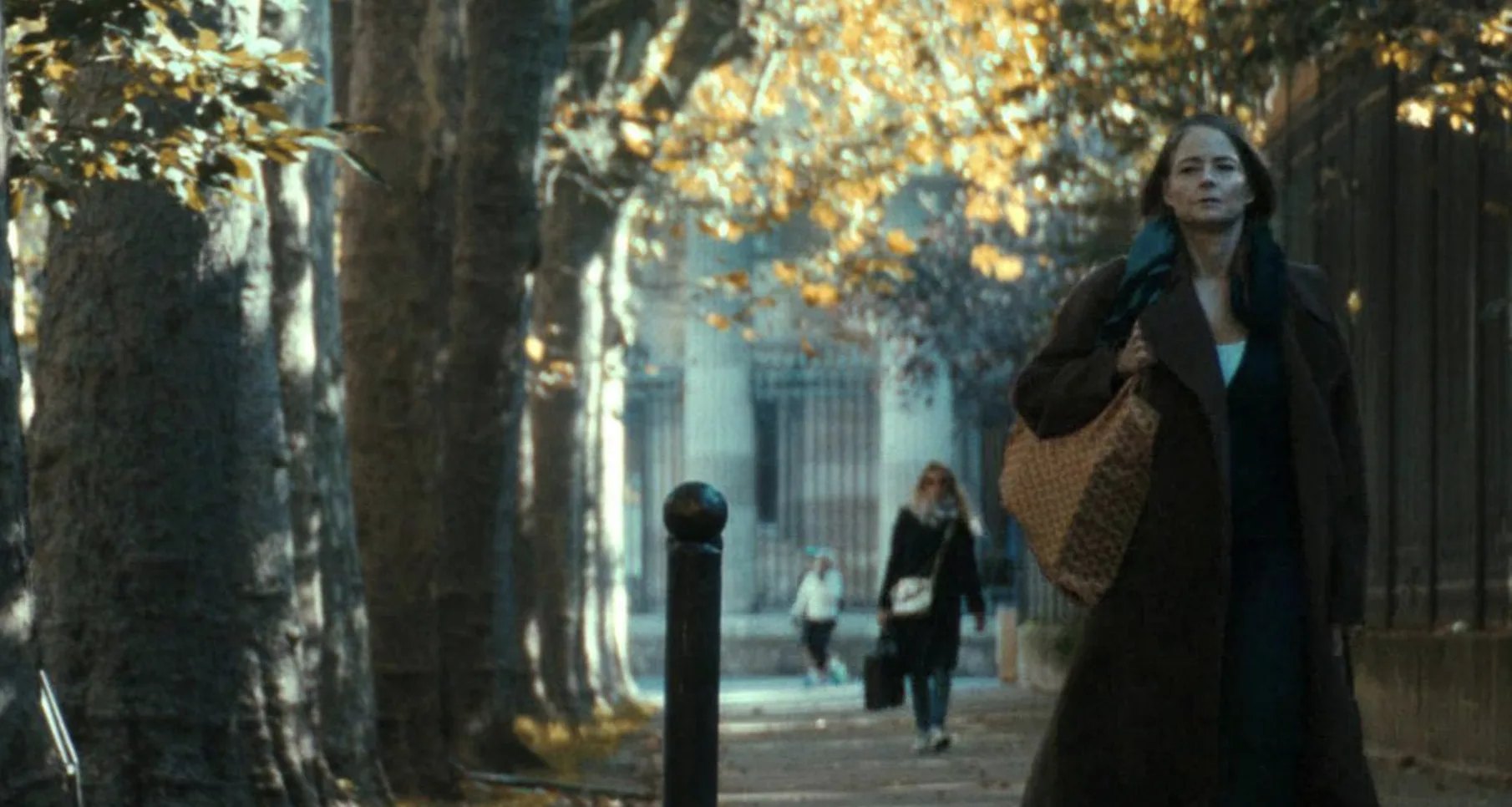
The arrival of Paula’s daughter, Valerie, pushes Lilian further into suspicion. Valerie explains that Paula altered her prescription and left behind a disturbing message. Then a recording of Paula’s final session disappears from Lilian’s office. Taken together, the events look like the beginning of a murder mystery. They are also exactly the kind of clues Lilian wants to find.
Her investigation is not driven only by concern for Paula. It is a defense mechanism. Solving a murder would restore Lilian’s authority. Admitting that Paula deceived her, or that she never truly knew Paula at all, would destroy it.
Why does Lilian try hypnosis?
Lilian first encounters hypnosis through Pierre, one of her patients, who announces that a hypnotherapist helped him stop smoking.
His recovery irritates her more than it impresses her. Pierre has spent considerable time in psychotherapy, only for a different treatment to produce an immediate result. His decision to leave makes Lilian feel professionally rejected, and her skepticism toward hypnosis becomes personal.
That attitude changes when she begins crying uncontrollably after Paula’s death. Even Gabriel, her ophthalmologist ex-husband, cannot find a physical cause. With rational explanations failing her, Lilian reluctantly turns toward the very practice she had dismissed.
During hypnosis, she enters a dreamlike vision in which Paula appears as a lover from another life. The experience stops Lilian’s tears, but it also gives her imagination new authority. She begins treating dreams as investigative evidence, following emotional impressions as though they were factual leads.
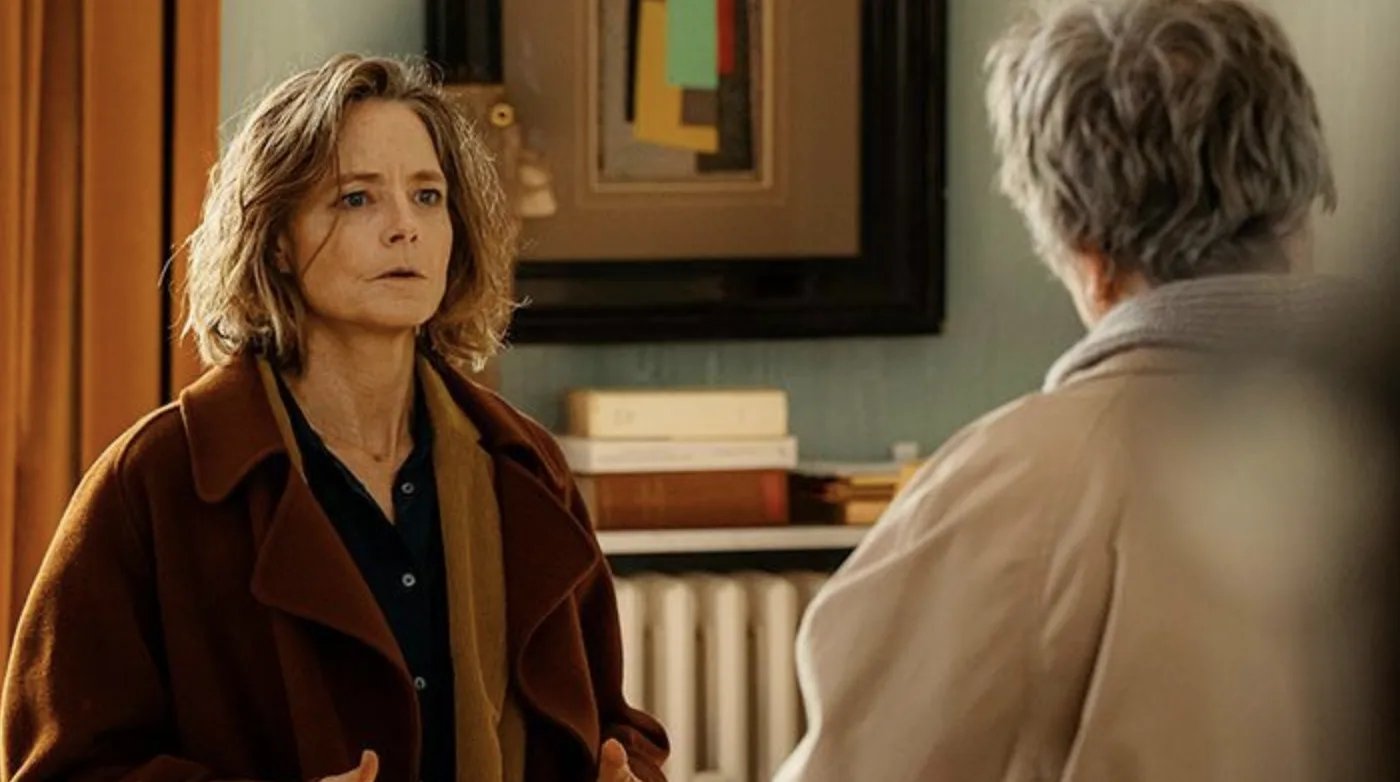
The film has some fun placing a rigid psychotherapist inside an increasingly irrational detective story. Lilian, who spends her working life interpreting the unconscious, becomes startlingly careless when interpreting her own. She does not ask whether the dreams reflect guilt, attraction, fear or wounded pride. She assumes they are telling her what happened. That assumption takes her directly into trouble.
Was Simon having an affair?
Lilian’s suspicions about Simon are not entirely invented. She follows him to Chérence and discovers that he is having an affair.
The discovery appears to support her theory that he had a motive to kill Paula. Combined with the inheritance Paula received from her wealthy aunt Pearl, Simon suddenly looks like the obvious suspect. Paula’s death leaves the money under the joint control of Simon and Valerie, giving Lilian both a financial motive and a marital betrayal to investigate. Yet the affair ultimately reveals the limits of Lilian’s reasoning.
Simon may be dishonest, unfaithful and hostile, but none of those qualities makes him Paula’s killer. Lilian keeps mistaking unpleasant behavior for proof of murder because she is building her case backward. She has already decided Paula was killed, so every secret becomes evidence.
This is where the mystery is deliberately frustrating. Lilian finds genuine wrongdoing, but not the wrongdoing she is looking for. The film understands that people can be guilty of many things while remaining innocent of the crime at the center of the story.
Did Simon kill Paula?
No. Paula died by suicide after deliberately altering her own medication.
The truth invalidates the conspiracy Lilian has spent the film constructing. Simon did not murder his wife for the inheritance. Valerie did not engineer her mother’s death. Paula was not simply a vulnerable woman trapped by the people around her. She was hiding a much darker secret.
Paula had poisoned her aunt Pearl using medication so that she could receive Pearl’s considerable inheritance. After the murder, however, the money did not give Paula the new life she had imagined. Guilt and despair overwhelmed her, leading her to alter her own prescription and die by overdose.
The revelation changes Paula from the passive center of a mystery into its most morally complicated figure. She is both killer and victim, motivated by greed but destroyed by the consequences of obtaining what she wanted. It also exposes how little Lilian understood her.
Lilian spends the investigation imagining Paula as someone acted upon by Simon, Pearl and the pressures around her. In reality, Paula had made an enormous, violent decision without revealing it in therapy. Whatever version of herself she presented to Lilian was incomplete, controlled or deliberately false.
The film does not necessarily prove that Lilian should have somehow detected murder during a therapy session. That would be an unreasonable expectation. Her failure is more subtle. She believes her access to Paula’s words gave her access to Paula’s entire mind. It did not.
Why did Paula kill Pearl?
Paula poisoned Pearl to obtain her inheritance.
The decision appears calculated, but Paula’s response afterward suggests that she was not prepared to live with what she had done. She may have believed wealth would solve whatever dissatisfaction or desperation had driven her toward murder. Instead, the inheritance became inseparable from guilt.
This makes Paula’s suicide more than a twist designed to clear Simon. It completes a hidden psychological story that Lilian never saw.
Paula did not die because no one listened to a clear confession. She died after successfully concealing the most important event in her life. Her therapy sessions may have contained fragments of fear, resentment or unhappiness, but Paula kept the central truth outside the room.
That gap matters because Lilian treats every session as a complete document. She records conversations, listens again later and assumes that enough analysis will reveal the patient beneath the narrative. Paula proves that a recording can preserve every word while still missing the truth.
People do not bring their entire lives into therapy. They bring edited versions, defensive versions and sometimes invented versions. Paula’s case is an extreme example, but the problem is universal.

Who broke into Lilian’s apartment?
Pierre is responsible for the harassment surrounding Lilian, including breaking into her apartment, vandalizing her car and making anonymous calls.
His target, however, was not Paula’s recording. Pierre wanted to recover the disk containing his own final session. He feared what had been recorded and wanted control over his words after ending treatment.
His actions accidentally intensify Lilian’s murder theory. Because the break-in occurs while Paula’s disk is missing, Lilian interprets it as part of the same conspiracy. Pierre’s panic becomes another piece of evidence in a case that exists largely in her imagination.
There is a cruel symmetry here. Pierre begins the film by telling Lilian that another therapist accomplished what she could not. He later becomes the person who demonstrates how badly she misreads her own patients.
Even after years of treatment, Lilian does not anticipate his anger, embarrassment or capacity for retaliation. Paula is not the only patient whose inner life has remained beyond her reach.
Who stole Paula’s recording?
Simon eventually has Paula’s minidisk, but the film refuses to provide a clean account of how he obtained it.
He suggests several possibilities. He may have taken it himself. Valerie may have stolen it. Paula could even have removed it during a session to protect her secret. Simon treats the missing disk as less important than Lilian does, refusing to give her the satisfying confession she expects.
There is nevertheless a strong indication that Simon was involved. His suggestion that he could have taken the disk during the night of Pierre’s break-in implies knowledge he should not otherwise possess. That detail points toward Simon being present and taking advantage of the confusion. Still, the film deliberately avoids turning the disk into the final answer.
Lilian has spent the story treating the recording as though it contains Paula’s authentic self. Finding it should solve everything. Instead, even possession of the disk cannot explain Paula’s actions without information from outside therapy.
The object Lilian believes will restore certainty only confirms that certainty was never available.
Was Lilian a bad psychotherapist?
The film does not portray Lilian as wholly incompetent, but it does show that her methods have become detached and self-protective.
She records her patients on physical disks, then revisits their conversations later in private. This allows her to analyze language at a distance, but it may also encourage her to treat therapy as evidence collection rather than human contact. Both Pierre and Simon challenge her on this point.
Pierre’s success with hypnosis exposes how little progress he felt he was making with Lilian. Simon argues that patients shape their stories for therapists, changing memories or inventing details simply to keep the conversation moving. His criticism is harsh, but it reaches something Lilian has avoided. Therapy does not provide an unfiltered record of a person’s life. Lilian listens to recordings, yet she may not be listening closely enough in the room.
Her investigation repeats the same mistake on a larger scale. Instead of responding to the people in front of her, she assembles interpretations after the fact. Simon becomes a suspect, Valerie becomes a possible conspirator and Paula becomes a romanticized victim. Each person is reduced to the role Lilian needs them to play.
Her real breakthrough comes only when she occupies the patient’s position herself. Lying down and surrendering control forces her to experience vulnerability rather than study it. For once, she is not the authority deciding what another person’s words mean.
Why does Lilian redesign her office?
The remodeled office represents a change in how Lilian intends to practice. When Pierre returns, the familiar arrangement has been altered. More importantly, Lilian no longer appears to rely on her disks. Rather than recording a patient and hoping to understand him later, she seems prepared to give her attention to the conversation taking place in front of her.
The change is modest, which suits the film. Lilian does not suddenly become an ideal therapist, nor does she discover a perfect method for accessing the truth. Paula’s death has taught her precisely the opposite lesson. No method can guarantee total knowledge of another person. What Lilian can change is her posture.
She can stop confusing documentation with intimacy. She can become less concerned with proving her interpretations correct. She can accept that listening is not the same as collecting words.
Pierre’s return is especially important because it gives Lilian another chance with someone she previously failed to reach. He is alive, still difficult and still capable of surprising her. Unlike Paula, he offers the possibility of repair.
What does the ending of A Private Life mean?
The ending suggests that Lilian’s investigation was never really about identifying Paula’s killer. It was about protecting Lilian from the limits of her profession and the limits of her own perception.
She wanted Paula’s death to have an external villain because villains are easier to confront than uncertainty. Simon’s affair, the inheritance, the break-in and the stolen recording allowed Lilian to believe that the answer was being hidden from her by other people.
The truth is more uncomfortable. Paula hid herself successfully, and Lilian helped maintain that concealment by believing that recorded speech could be endlessly decoded into honesty.
Paula’s final act cannot be reduced to Lilian’s failure, Simon’s cruelty or Valerie’s behavior. It emerged from a private chain of choices that included murder, guilt and despair. Lilian was close enough to hear Paula speak, but not close enough to know what she had done.
That does not make therapy meaningless. It makes humility necessary.
By returning to work without her old apparatus of control, Lilian accepts that another person’s mind is not a puzzle she is entitled to solve. She can listen, question and observe, but she cannot demand a complete confession simply because someone is lying on her couch.
“A Private Life” ends by denying both its heroine and its audience the comfort of total certainty. The murder mystery is solved, but the human mystery remains. That is not a failure of the story. It is the point Lilian finally learns to hear.