‘A Mistake’ Movie Recap and Ending Explained
Christine Jeffs' New Zealand medical drama A Mistake follows surgeon Elizabeth Taylor as a patient death exposes the limits of institutional accountability.

Spoilers follow for the full plot and ending of A Mistake (2024).
The ending of Christine Jeffs’ New Zealand medical drama delivers a clear answer on the question that structures the whole film: Lisa Williams (Acacia O’Connor) died from advanced septicemia, not from a surgical error. Surgeon Elizabeth Taylor (Elizabeth Banks) ends the film by going back to Lisa’s parents with that explanation, plainly stated, after an earlier meeting that communicated the same facts in terms they could not hear. What Elizabeth loses between the first and the second, in terms of career, relationship, and a colleague’s life, is the film’s subject.
What Happens in the Operating Room
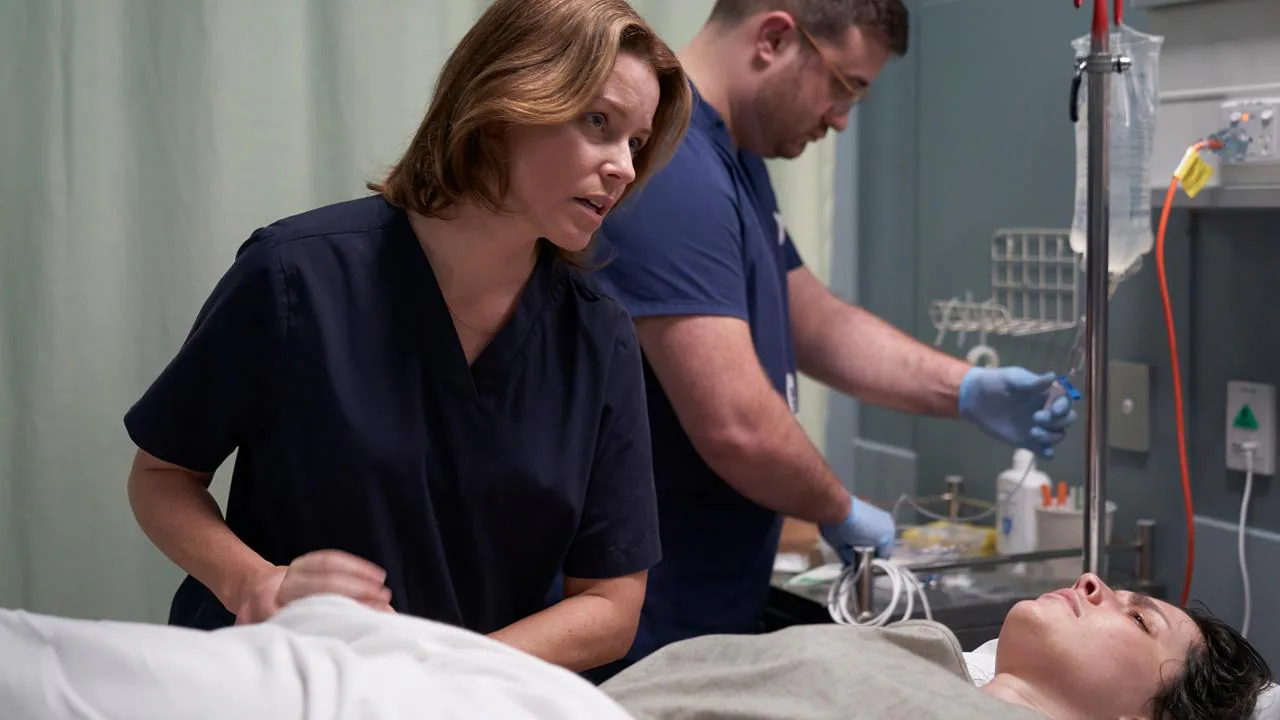
Lisa Williams presents at Auckland Central Hospital with severe abdominal distress and advanced septicemia. Elizabeth takes the emergency case and begins a laparoscopic procedure. During surgery, she allows her registrar Richard (Richard Crouchley) to insert the final trocar. He applies too much pressure, nicks a vessel, and Elizabeth opens the abdomen to stabilize the patient. Lisa goes to the ICU. Richard, on Elizabeth’s direction, tells Lisa’s parents the surgery went well.
Overnight, Lisa suffers a fatal cardiac arrest. The septicemia was already systemic before the operation began. Richard’s error was real and documented at the hospital’s mortality and morbidity hearing. It was not the cause of death.
The hospital administration understands this distinction from the start. The film’s complications begin with who controls what gets said about it, and when.
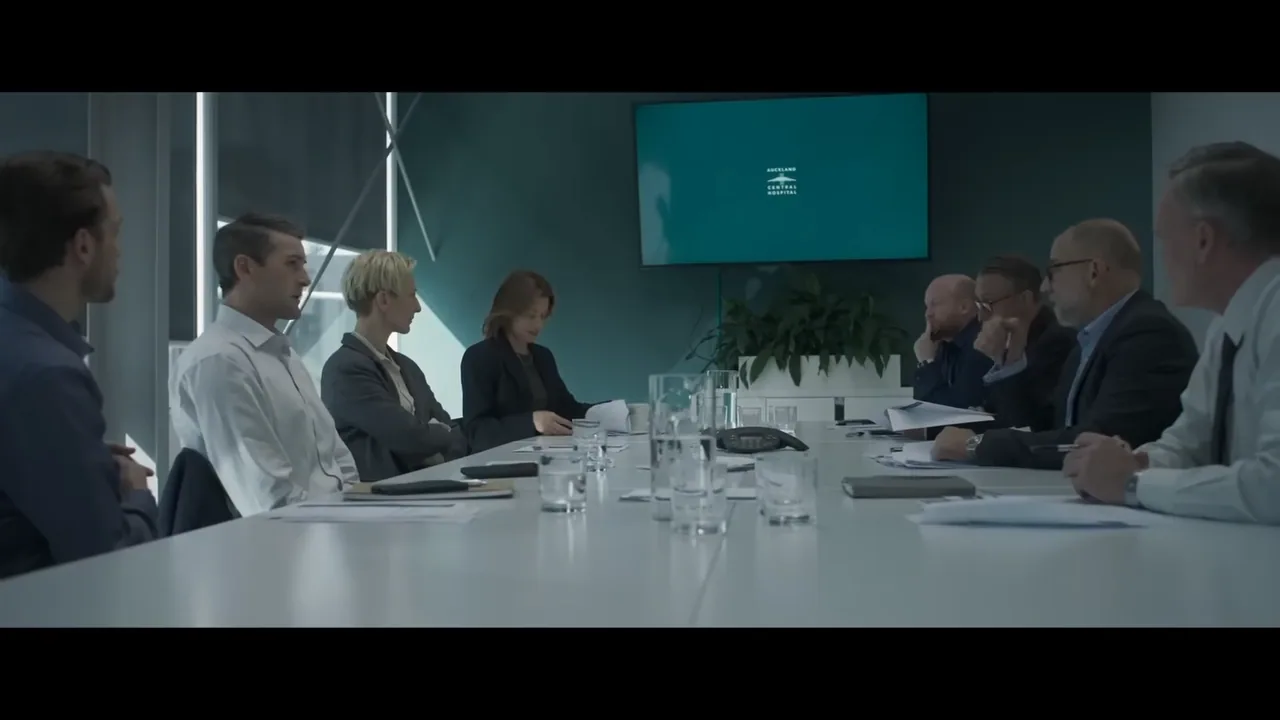
Who Elizabeth Taylor Is, and Why the Film Centers on Her
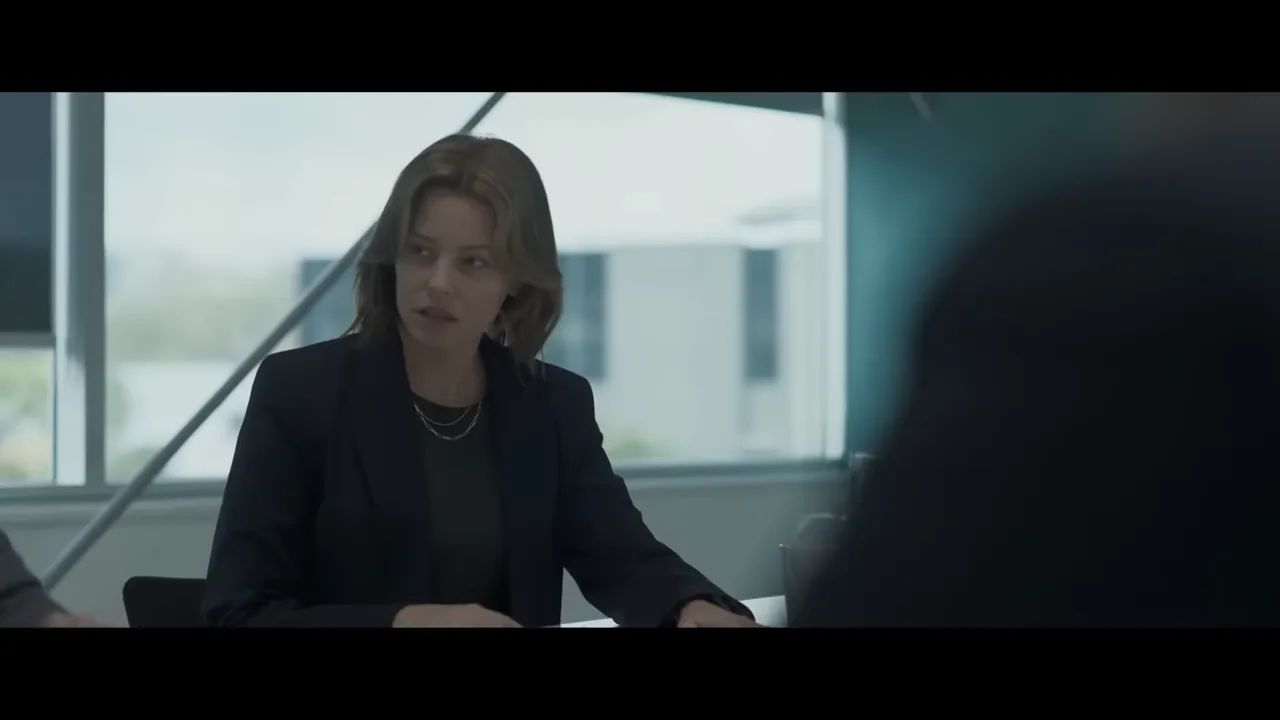
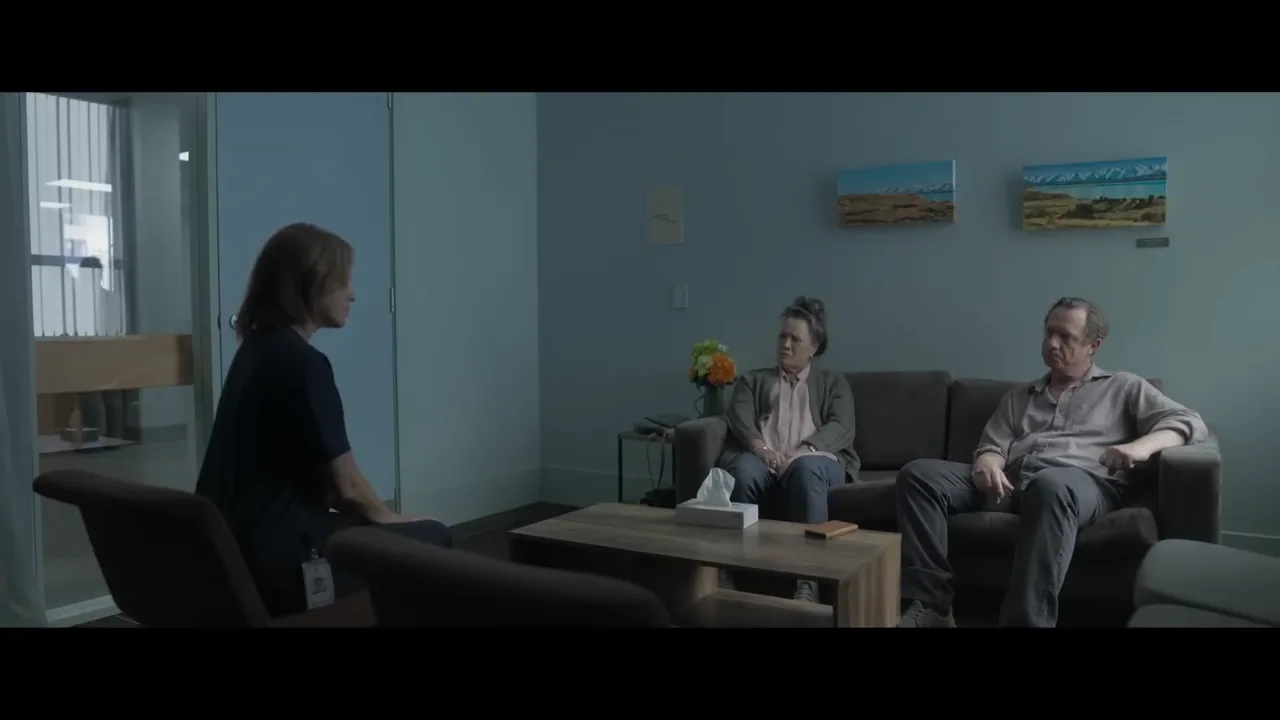
Elizabeth is precise under pressure and guarded in conversation. Her first meeting with Lisa’s parents, Tessa (Rena Owen) and Owen (Matthew Sunderland), fails not because her account is inaccurate but because she goes in without consulting the ICU team and delivers the facts in language that reads to a grieving family as distance rather than care. They file a formal complaint. The hospital suspends her from laparoscopic procedures pending review.
Her girlfriend Robin (Mickey Sumner), a surgical nurse at the same hospital, watches the collapse from close range. The film shows Robin withdrawing and eventually ending the relationship. Her reasons are personal and professional in equal measure, and the film does not collapse them into one explanation.
A Mistake adapts Carl Shuker’s 2019 novel of the same name, published by Victoria University Press in New Zealand and shortlisted for the 2020 Ockham New Zealand Book Awards. Shuker set the book in Wellington. Jeffs moved the story to Auckland and also wrote the screenplay.
A Mistake premiered at the Tribeca Festival on June 7, 2024, and opened in limited US release on September 20, 2024. It holds a 72 percent approval rating on Rotten Tomatoes from 18 reviews. Cinematographer John Toon shoots in muted blue tones throughout. The score is by Frank Ilfman.
The Hospital’s Priorities and the Report Card Subplot
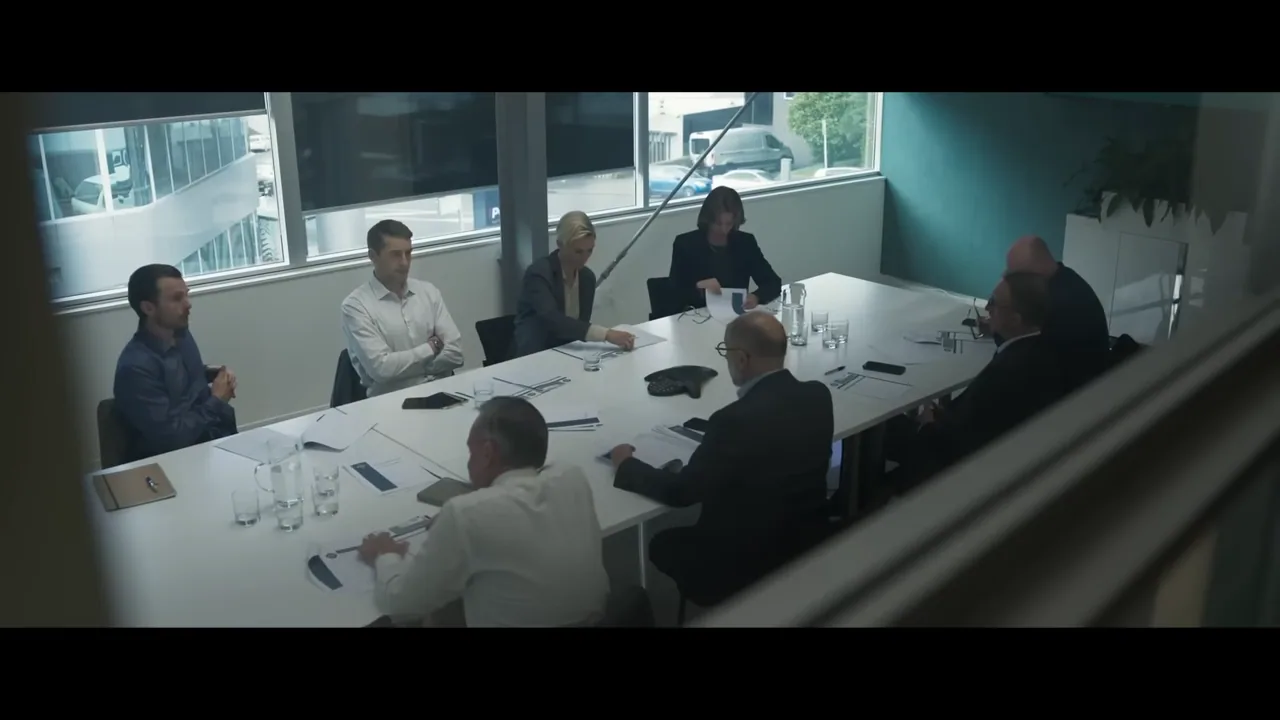
Andrew McGrath (Simon McBurney), the head of surgery, directs Elizabeth on what to say to investigators and to the press. The film positions him as consistently concerned with the institution’s legal exposure and public profile rather than with an accurate account of what happened to Lisa.
Running alongside the personal fallout is a subplot about a proposed government scheme to publish individual surgeons’ performance rankings. Elizabeth speaks publicly against the idea, arguing that surgeons who fear bad scores will decline high-risk patients. Her case is defensible. It is also self-interested given her current situation, and the film holds both things at once rather than resolving them.
Why Richard Dies, and What Elizabeth’s Silence Costs
Richard grows increasingly unstable under the weight of what happened. He tries several times to tell Elizabeth about the nightmares he is having. Each time, she redirects the conversation or leaves it. The film treats her deflections not as calculated cruelty but as a conditioned response to emotional discomfort that produces the same result.
Outside the hospital, Elizabeth’s home develops an insect infestation. She treats the house, checks into a hotel, and forgets that she is watching Atticus, an elderly dog belonging to her friend Jess (Fern Sutherland). She returns to find Atticus in serious distress from the treatment she applied and takes him to a veterinarian, where he is euthanized. Telling Jess what happened is another conversation she cannot manage.
Richard dies by suicide, found by Elizabeth in his car. After his death, McGrath sees a clear institutional path: position Richard as the primary responsible party, close the complaint against Elizabeth, and protect the department’s record. Elizabeth refuses.
How the Ending Works
The film’s closing section has two decisions by Elizabeth. First, she tells McGrath she will not allow Richard to serve as a scapegoat and accepts shared responsibility for the choices made during Lisa’s surgery. The professional consequences of that acceptance are not resolved within the film.
She then returns to Tessa and Owen. This meeting differs from the first. Elizabeth tells them plainly what septicemia does, why Lisa’s death was not caused by a surgical error in the sense a negligence claim requires, and what Richard actually did and did not cause. Whether the parents leave that conversation with anything like resolution, the film does not say. They are given space to receive the information on their own terms.
The institutional blame machinery the film depicts is built to find a name rather than a cause, and it only becomes visible once Elizabeth stops giving it what it needs.