A Copenhagen Love Story: What does the film say about finding happiness beyond societal expectations?
The Danish film Sult explores what happens when self-worth becomes tied to a single life outcome, using IVF as the pressure that makes that attachment.
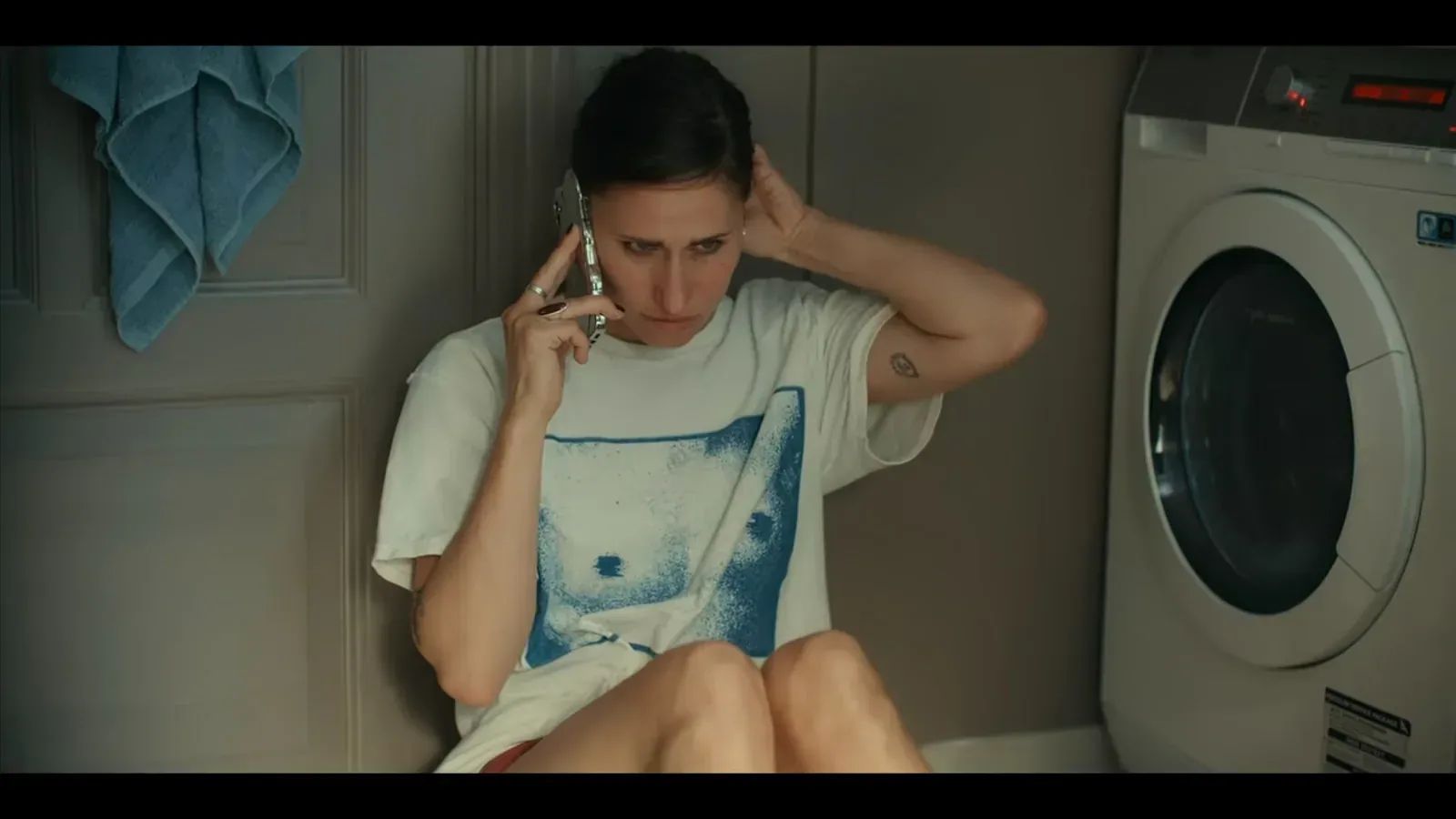
Spoiler note: This piece discusses the film’s narrative arc and resolution.
The Danish Netflix film “A Copenhagen Love Story” (original title: Sult, meaning “Hunger”) does not simply argue that happiness can exist outside conventional expectations. It traces the cost of building your identity around a single life script, and what breaks when that script stops working. Released February 26, 2025, the film, written and directed by Ditte Hansen and Louise Mieritz, spends more time examining what Mia’s desire for motherhood has done to her sense of self than it does celebrating any particular outcome. The answer to the headline question arrives early: happiness, in the film’s framing, requires letting go of the script before the script lets go of you.
A Novel Called Hunger, a Film About Something Larger
“A Copenhagen Love Story” is adapted from Tine Høeg’s 2022 Danish novel, also titled Sult (“Hunger”). Hansen and Mieritz share both writing and directing credits. The film was produced by Miso Film Denmark, with Jenny Mattesen and Jonas Allen as producers.
The choice of title carries more weight than a romantic setting suggests. “Hunger” names an existential condition, not just romantic need, and reviewers on Letterboxd noted that the Netflix international title softens the film’s actual focus. “Should have been titled A Copenhagen Fertility Story,” one viewer wrote. The Danish word sult covers physical, emotional, and psychological need indiscriminately, and the film puts all three registers to use.
Rosalinde Mynster plays Mia, a writer in her late 30s who has spent years in casual relationships. Joachim Fjelstrup plays Emil, a single father with children from a previous relationship. The film’s opening third handles their courtship with the pacing of a romantic comedy. That register does not last.
What the IVF Process Reveals About Mia
The IVF process amplifies qualities in Mia that were already present, rather than producing new ones. After natural conception fails and Mia and Emil begin fertility treatments, the film shifts in tone: the hormone regimens, scheduled intimacy, and repeated waiting make those qualities harder to conceal.
Per the Common Sense Media review, Mia’s conduct during treatment includes drinking to excess, coming close to infidelity, and lying to Emil about using their relationship as material for her writing. The film frames these not as symptoms produced by treatment, but as traits that the pressure of IVF makes impossible to sustain or hide.
Per the Common Sense Media review, the film also includes a secondary storyline involving Mia’s gay brother, who has faced a much longer fertility struggle of his own. His presence contextualizes Mia’s distress rather than simply validating it. The film does not appear to let her suffering stand unexamined.
Emil, by contrast, is portrayed consistently across reviews as patient to an unusual degree. One Letterboxd reviewer wrote: “May God grace me with Emil’s patience.” That observation raises a question our reading of the film does not fully resolve: whether the film presents his constancy as a model for partnership, or as a portrait of what a partner in emotional crisis is permitted to require. The film does not editorialize, which is where the ambiguity lives.
The Societal Pressure the Film Puts Under Scrutiny
The most direct engagement with societal expectations in “A Copenhagen Love Story” comes through what the film presents as Mia’s inherited understanding of womanhood. Her sense of self-worth has become connected to her ability to conceive, and the film takes care to show that she did not arrive at that connection on her own.
One Letterboxd reviewer articulated the question the film seems to raise: “Are we more of a woman if we have it?” The implied corollary, whether a woman is less without it, the film leaves for the viewer to complete. It does not answer this rhetorically. It shows the damage a “yes” does in practice.
Mia’s relationship to Emil’s existing children complicates the picture further. Reviewers note she bonds with them naturally in the film’s early stretch. That ease sits in uneasy contrast with her subsequent urgency to conceive. One reading of this contrast is that what Mia is chasing is not precisely motherhood, but the resolution of an identity gap: confirmation that her life is on the right track.
What the Title “Hunger” Actually Names
“Hunger” names something broader than the desire for a child, covering identity, belonging, and purpose. The gap between the international title and the original points directly to this. The Letterboxd reviewer who wrote “Should have been titled A Copenhagen Fertility Story” was identifying the scope the Netflix title obscures: an existential study repackaged as a genre romance.
That reading changes what the film says about happiness outside societal expectations. It does not argue that choosing not to have children leads to fulfillment. It argues, more precisely, that attaching your sense of self entirely to a single outcome, whether conventional or not, is what forecloses happiness. Mia’s crisis is not infertility as a medical condition. It is her inability to locate herself outside the result she is waiting for.
The Ending and What the Film Leaves Open
The film closes without confirming whether Mia and Emil will conceive, and that unresolved outcome is a deliberate position rather than an omission. Per the Midgard Times review, “A Copenhagen Love Story” includes a breakup and a reconciliation before its final scene. The couple’s decision to continue together, and potentially to attempt another round of treatment, is not presented as a tidy resolution. It is a decision to remain committed without knowing the outcome.
One Rotten Tomatoes critic described the film as a “hard-hitting affair,” while another characterized it as a “maudlin treatise on the self-pity of a privileged woman.” The disagreement reflects what the film attempts: to depict Mia’s conduct without softening it, and to allow viewers to judge whether that makes the film honest or merely ungenerous to its protagonist.
The title Sult asks what the hunger was actually for. Across its 105 minutes, the film suggests Mia herself does not know the answer at the start, and that arriving at an honest version of that question is, in our reading, the more demanding task the film sets for itself.