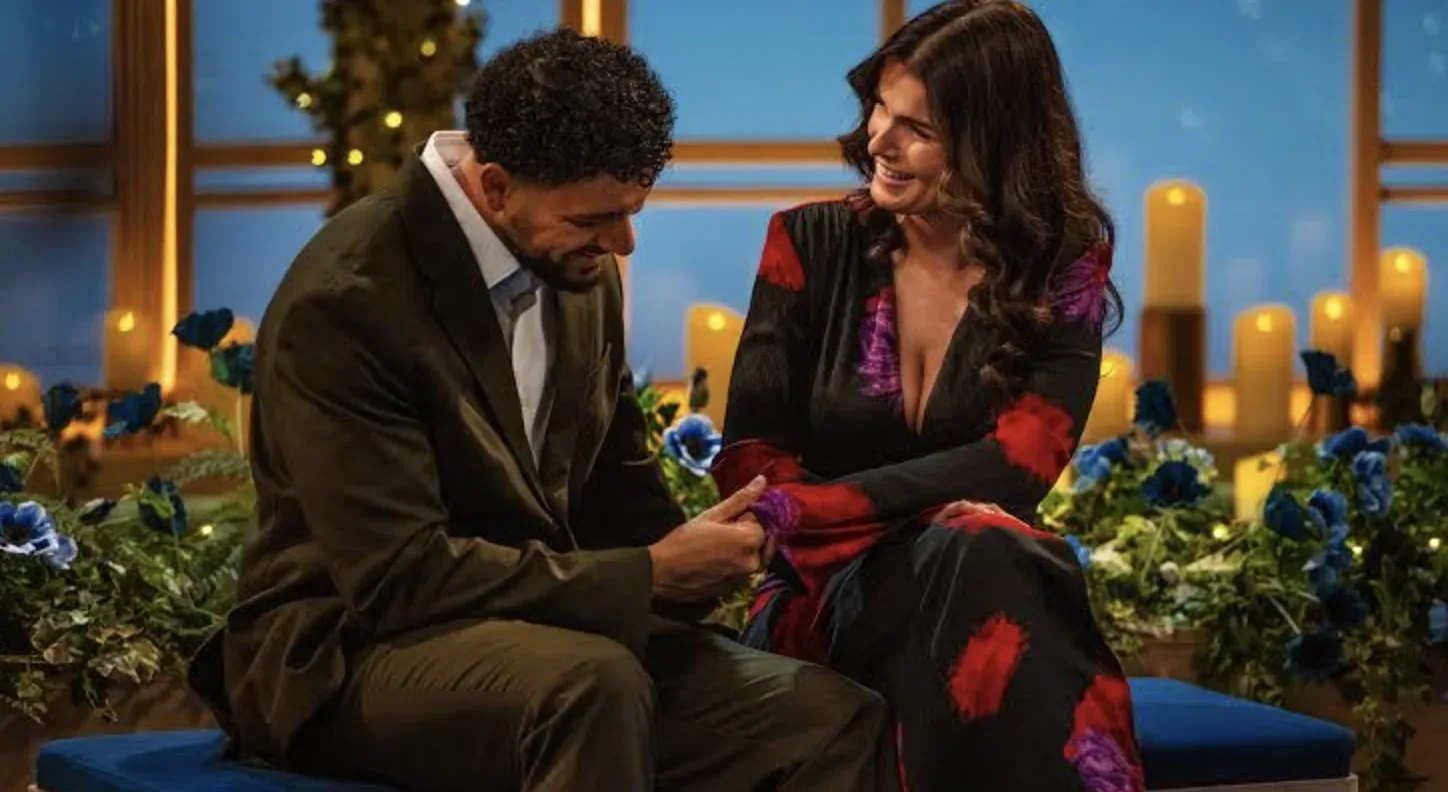
Žiga Ogorelec: Where Is the Alone Season 13 Winner Now?
Žiga Ogorelec arrived on ‘Alone: World Championship’ as one of the season’s most unusual contestants, combining a scientist’s background with years of deliberately making wilderness survival harder for himself. Ninety days later, the 35-year-old Slovenian biologist became the winner of ‘Alone’ Season 13 and the first World Champion, outlasting Nero Buys and runner-up Aaron Barnard.…
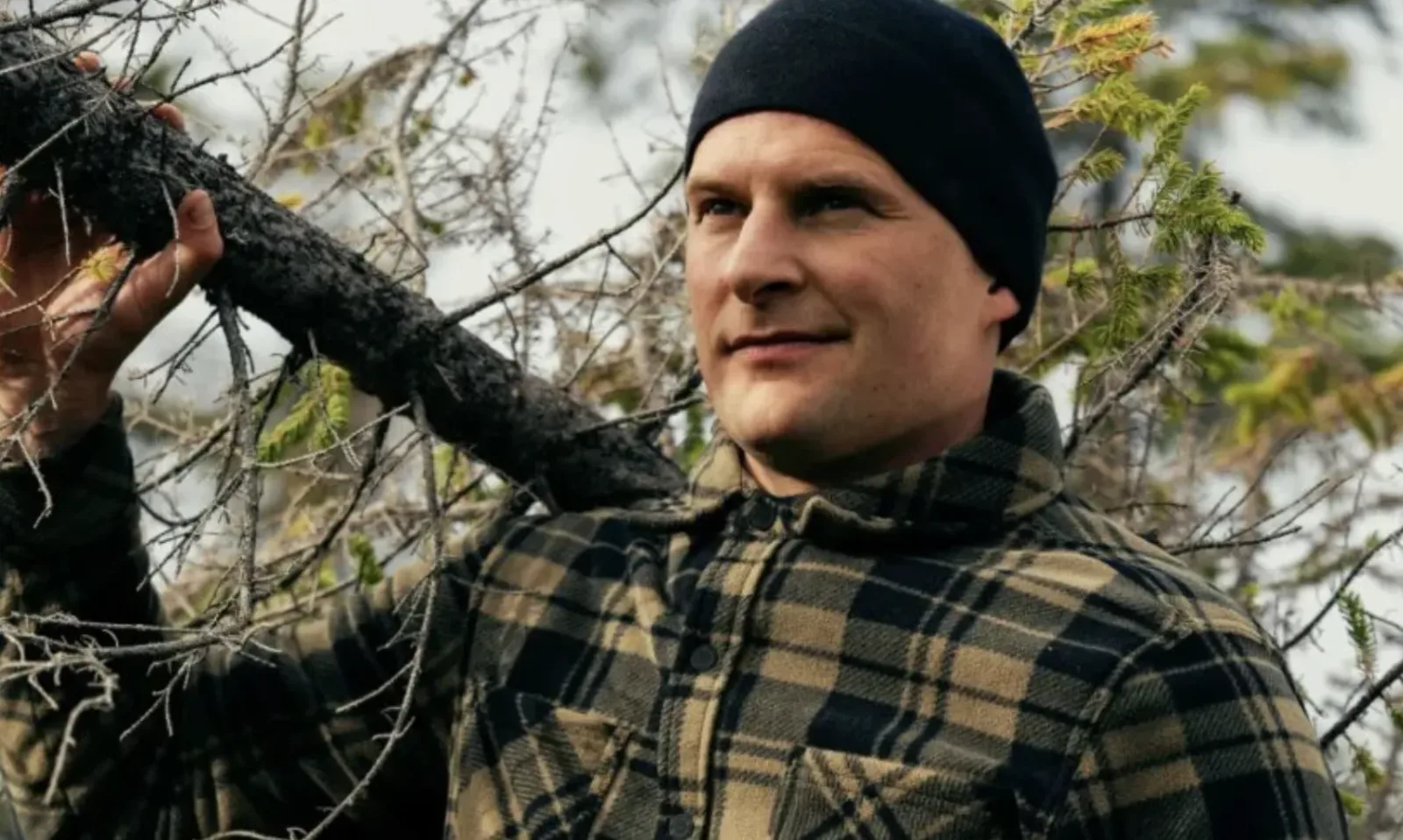
Žiga Ogorelec arrived on ‘Alone: World Championship’ as one of the season’s most unusual contestants, combining a scientist’s background with years of deliberately making wilderness survival harder for himself. Ninety days later, the 35-year-old Slovenian biologist became the winner of ‘Alone’ Season 13 and the first World Champion, outlasting Nero Buys and runner-up Aaron Barnard. Away from television, Žiga has not abandoned either side of the life that prepared him for the show. He remains active as a biological researcher while also developing survival education through projects in Slovenia and his newer Science of Survival platform. His longtime bushcraft school with younger brother Miha also continues operating, making ‘Alone’ an extension of his work rather than the beginning of it.
Related: Alone Season 13 Episode 13 Finale Recap: Žiga Ogorelec Wins the World Championship
Related: Who Are the Finalists on Alone Season 13?
Žiga Is a Biologist With a PhD
Žiga’s professional background separates him from the typical image of a survival-show contestant. History identifies him as a biologist from Kočevje, Slovenia, an area surrounded by extensive forests and known for its large wildlife populations. He pursued biology academically, eventually earning a PhD in Germany before continuing his research career in Ljubljana. His scientific work focuses on ecosystems and aquatic biology rather than survival entertainment.
Current Slovenian research records list Dr. Žiga Ogorelec as an active researcher with the National Institute of Biology, where his field is ecosystem biology. His published research interests include limnology, ichthyology, invasive species and freshwater ecosystems. He is also connected to an ongoing research project concerning pollution reduction and diversification in freshwater aquaculture that runs through 2027. That means his post-‘Alone’ life still includes formal scientific research rather than a complete pivot into reality-TV celebrity.
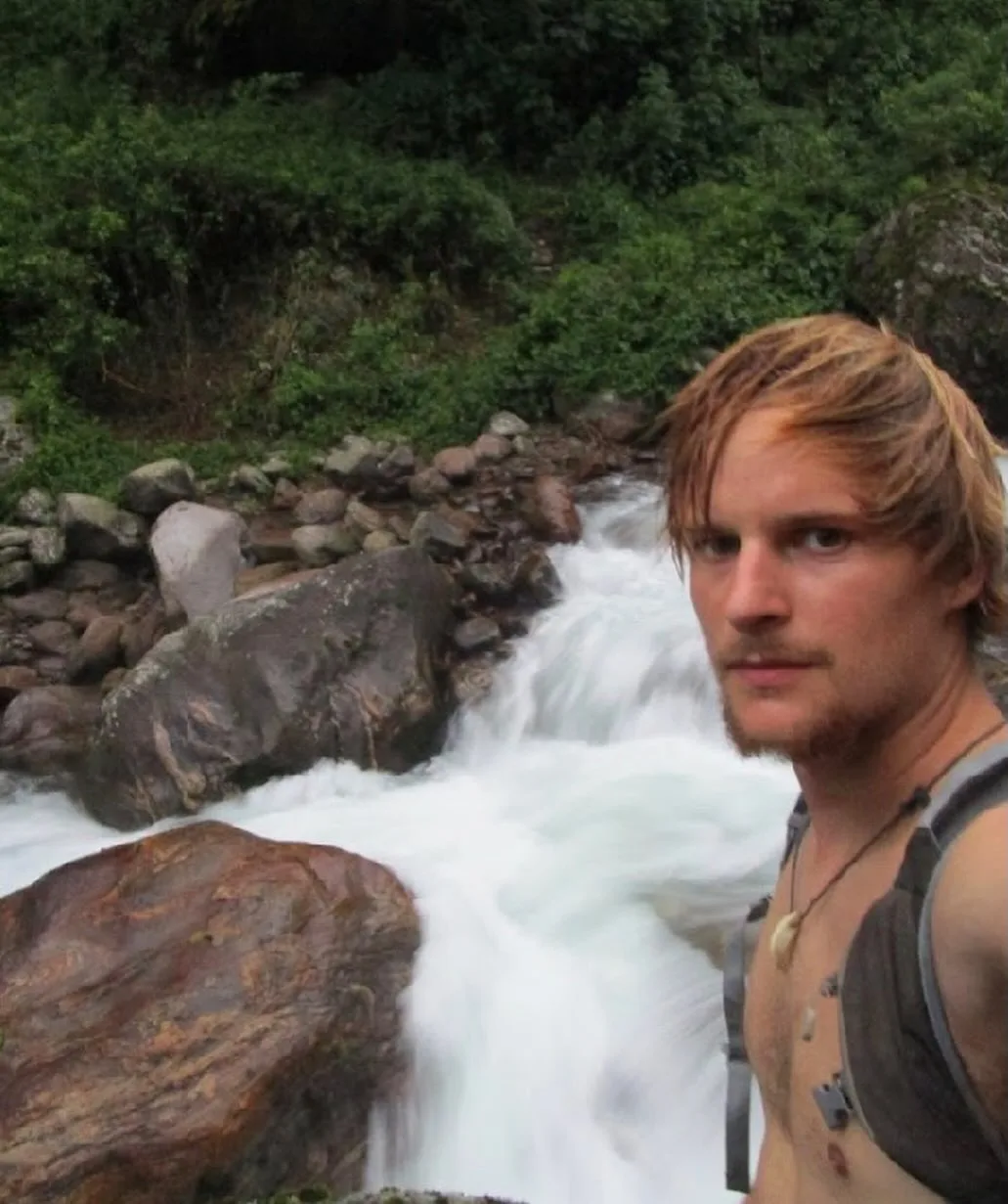
That scientific background also helps explain aspects of the way Žiga competed. He rarely treated the wilderness as an enemy that needed to be defeated. Food preservation, energy use, animal behavior and environmental changes were problems to observe and respond to, which made his approach feel methodical even when circumstances became dangerous. The skills came from years outdoors, but the patience behind them fits someone accustomed to studying natural systems professionally.
Žiga and His Brother Miha Have Been Testing Themselves for Years
The most important person in Žiga’s survival background is his younger brother, Miha Ogorelec, the same person who appears during the emotional winner reveal in the finale. The brothers began pushing themselves through wilderness challenges when they were young, including winter survival trips, excursions with minimal equipment and extended periods relying on what they could obtain from nature. Those experiments eventually became much more than a hobby.
In 2014, Žiga and Miha helped establish a Slovenian bushcraft and survival school now operated through Gozdovništvo. Its courses cover subjects including shelter building, fire-making, navigation, edible plants, water procurement and more demanding multi-day survival exercises. Žiga’s own earlier tests included a 15-day solo journey in which he traveled roughly 270 kilometers without carrying food, while History credits him with more than 80 days of living-off-the-land experience even before ‘Alone.’
That history makes the Season 13 ending considerably more meaningful. Miha is not simply the relative production chooses to surprise Žiga with after the competition. The brothers spent years building the exact skill set that eventually brought Žiga to Day 90, so having Miha enter his shelter closes a much older story than the television season itself.
Why Did Žiga Compete Without a Ferro Rod?
One of Žiga’s most striking decisions was leaving a ferro rod off his ten-item list. History confirms that he instead selected a sleeping bag, pot, shovel, saw, knife, bow and arrows, gill net, fishing line and hooks, snare wire and paracord. That forced him to depend on friction-fire techniques through an Arctic competition where losing the ability to make fire could end a contestant’s season almost immediately.
View this post on Instagram
It looked unnecessarily risky at first, especially because another contestant, Dave Booth, left very early after damaging his ferro rod. For Žiga, however, it was a calculated trade. Friction fire was already part of his long-term training, so he used the equipment slot for a tool that could provide value elsewhere rather than carrying something he believed he could reproduce through skill. Winning the season without a ferro rod consequently becomes more than a piece of trivia. It validates one of the boldest equipment decisions in the entire cast.
His moose naturally became the larger talking point because it transformed his food position. Still, the ferro-rod choice better demonstrates why Žiga was difficult to beat. He did not simply know many survival techniques. He trusted them enough to build his entire competition around them.
Where Is Žiga Ogorelec Now?
As of September 2026, Žiga remains closely involved with both science and survival education. Slovenia’s National Institute of Biology continues to list him as a researcher, while Gozdovništvo remains active with courses and instructors including Miha. Žiga has also developed Science of Survival, a platform for workshops, multi-day programs, special trips and scientific collaboration. His site says the original Slovenian school he founded with Miha will remain active alongside his newer work.
He also maintains an official site and online channels connected with Science of Survival, giving the increased international attention from ‘Alone’ somewhere to go beyond the television series. What has not yet been reliably disclosed is any major lifestyle change resulting from the $500,000 prize. There is no solid public information yet about how Žiga intends to spend the winnings, so claims that he has bought property, left academia or invested the money in a particular project would currently be speculation.
His family remains an important part of the story as well. History’s biography says Žiga lives with his wife and young son Bor, whose second birthday he hoped to mark while he was in the Arctic. The finale repeatedly shows how strongly he misses them, but unlike several contestants before him, that homesickness never becomes stronger than his decision to remain.
Winning Alone Fits the Life Žiga Already Built
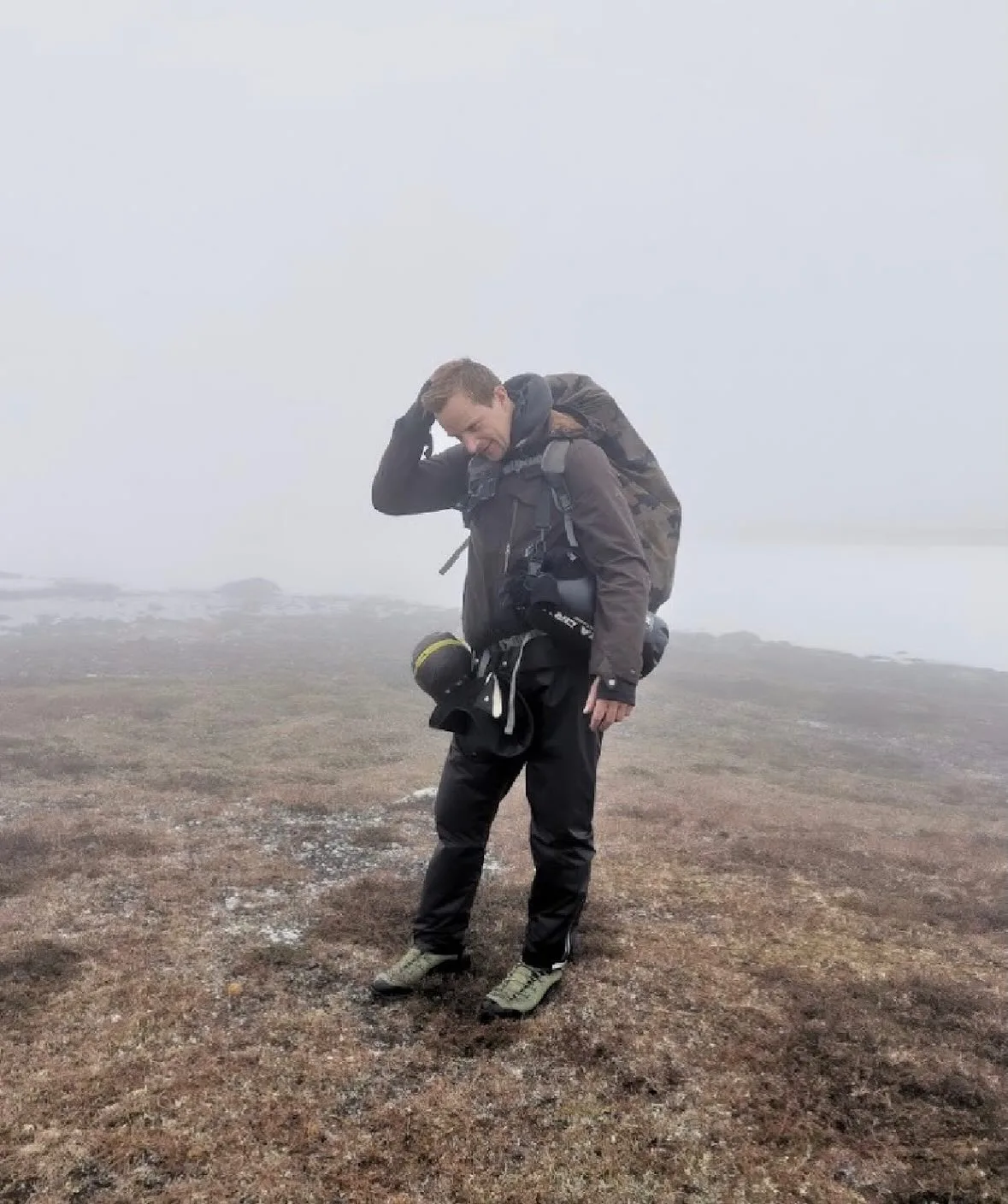
Žiga’s victory looks less surprising once his life before the show is viewed as a whole. He had spent years combining ecological knowledge with deliberately difficult survival exercises, teaching bushcraft and testing techniques in real environments. ‘Alone’ simply removed the safety net, extended the duration dramatically and placed those skills in an Arctic setting with $500,000 on the line.
That is also why his current life does not appear to require a dramatic reinvention. Žiga was already a scientist, instructor and wilderness practitioner before television found him, and those are still the areas in which he is working now. Becoming the first ‘Alone’ World Champion gives him a much larger audience and an extraordinary credential, but the direction itself has barely changed. For someone whose finale ends with his brother arriving in the wilderness and the two immediately returning to the survival skills they learned together, that continuity feels appropriate.