Why Did Jude Mikulencak Win Project Runway Season 22? His Finale Collection Explained
Jude Mikulencak did not reach the “Project Runway” Season 22 finale by becoming the loudest designer in the room. His advantage was almost the opposite. Across the competition, Jude repeatedly showed that he knew how he wanted clothes to be cut, structured and finished. When the final challenge finally removed the weekly themes and allowed…
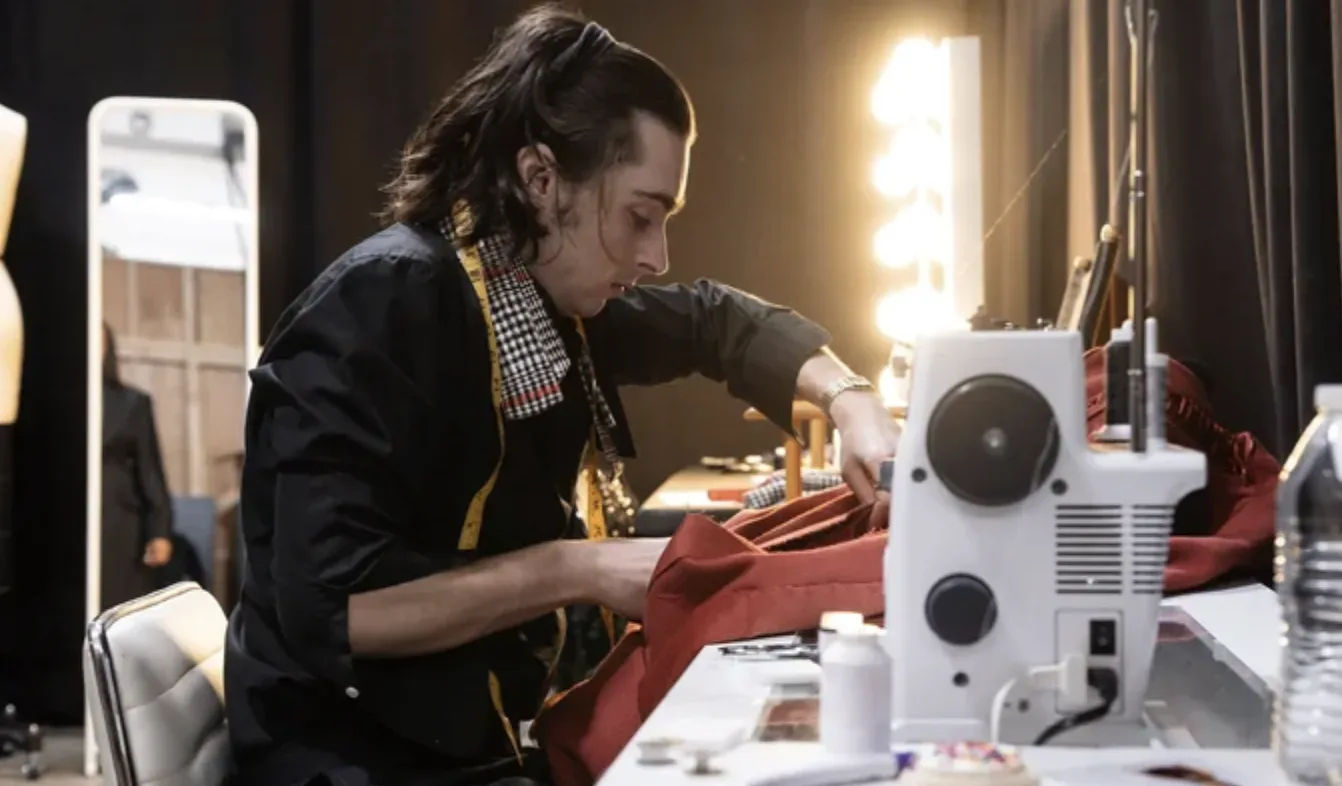
Jude Mikulencak did not reach the “Project Runway” Season 22 finale by becoming the loudest designer in the room. His advantage was almost the opposite. Across the competition, Jude repeatedly showed that he knew how he wanted clothes to be cut, structured and finished. When the final challenge finally removed the weekly themes and allowed the designers to build collections around their own identities, that discipline became particularly valuable.
Jude ultimately wins Season 22 over Anna Molinari, Bi Pham and Joseph McRae. The finale does not suggest that every judge considered his collection flawless. Heidi Klum, in particular, wanted him to take more creative risks. But when the four collections are considered together, Jude delivers the clearest combination of technical execution, recognizable identity and consistency. That is what separates him from the other three finalists.
Related: Project Runway Season 22 Finale Recap: Jude Mikulencak Wins
Jude’s Tailoring Was His Biggest Finale Advantage
The most important clue comes during the final critique. Law Roach is highly complimentary about Jude’s tailoring, an area that had already become central to how the judges viewed his work. Instead of arriving at the finale and suddenly attempting to become a completely different designer, Jude doubles down on what he does best.
That decision could have backfired. Finale collections often reward designers who demonstrate range, and Heidi makes it clear that she would have liked something more unexpected from Jude.
But there is another side to that criticism. Heidi is not pointing to poor construction, confused styling or a failed garment. She is essentially asking an already accomplished collection to go further. That is a much safer problem to have in a finale than presenting an idea the judges believe has not been properly resolved.
Jude’s restraint therefore becomes both his limitation and his strength. He may not deliver the night’s wildest surprise, but his work gives the panel confidence in his ability to execute a clear design language beyond the competition.
Heidi Wanted More Risk, but It Wasn’t a Fatal Problem
Heidi’s critique is important because Jude’s win should not be interpreted as a unanimous declaration that his collection had no weaknesses. She wants to see him go further “off the wall.” In other words, the precision that Law admires also makes the collection feel somewhat controlled to Heidi. The judges ultimately have to decide how much that matters.
There is a difference between saying a designer should have pushed an already successful idea further and saying a collection fundamentally does not work. Jude receives the former criticism.
His collection is therefore not rewarded because he takes the greatest creative gamble. The result suggests the panel places greater value on his ability to execute his ideas at a consistently high level than on forcing spectacle into the collection simply because it is the finale.
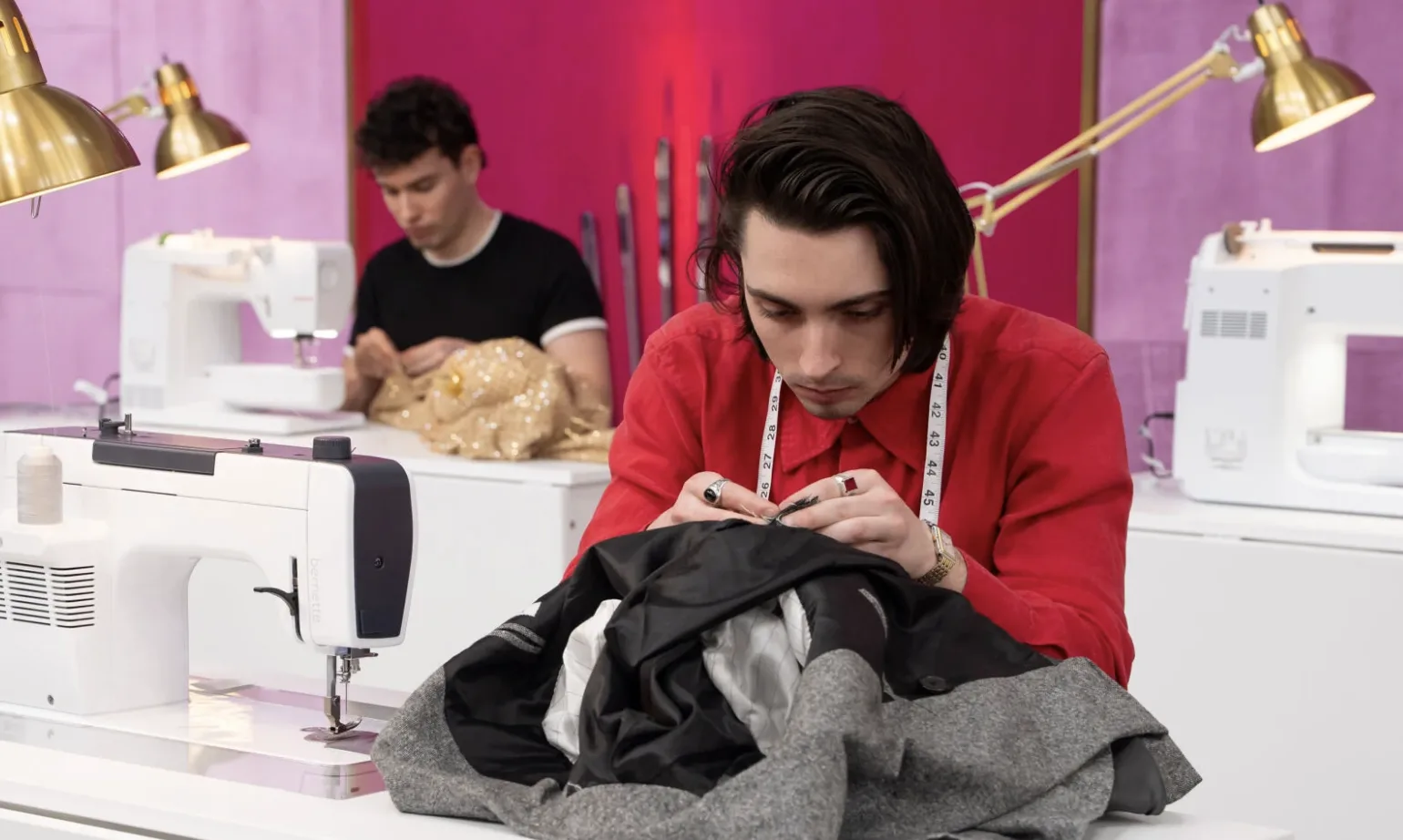
Anna’s Collection Had Big Ideas but a Cohesion Problem
Anna might have appeared particularly dangerous going into the final challenge because she had just won Episode 9’s bridal assignment. Her finale also contains one of the night’s most immediately memorable concepts: a look constructed entirely from garbage bags. Most of the judges respond positively to what she presents. The issue comes from Heidi, who questions the cohesion of the collection.
For a weekly challenge, one extraordinary garment can sometimes be enough to win. A capsule collection is different. The judges are looking at whether several garments communicate the same designer’s world and whether that world feels strong enough to support a brand. Anna’s problem is therefore almost the reverse of Jude’s.
Jude is criticized for staying so controlled that Heidi wants more surprise. Anna has plenty of interesting ideas, but Heidi is less convinced that all of those ideas connect into a unified statement. In a finale built around presenting a personal capsule collection, cohesion carries considerable weight.
Bi’s White Dress Created Too Big a Weak Point
Bi had already demonstrated that he could compete with Jude at the top of Season 22, making him another credible contender entering the finale. His final collection contains several pieces that the judges appreciate. Unfortunately, one garment becomes difficult to overlook. The white dress is described as a “disaster.”
Finale judging magnifies that kind of mistake. During an ordinary challenge involving one primary look, the garment either succeeds or fails. In a collection, every individual piece affects how the judges perceive the complete presentation.
Bi receives enough praise elsewhere to show that the collection is not a total failure, but the white dress creates a clear point of vulnerability.
Jude does not appear to give the judges an equivalent construction or design failure to hold against his collection. His main negative critique concerns how much further he could have pushed creatively, rather than whether one of his major pieces simply did not work. That difference helps explain the result.
Joseph Couldn’t Get the Judges on the Same Page
Joseph reaches the finale through the surprise fourth position announced at the beginning of Episode 10, and his final presentation stays committed to the bold approach that has defined much of his work. Heidi likes what she sees. Law does not.
The disagreement is substantial enough that Joseph enters the final decision without consensus from the panel. In a competition where the winner must convince several judges with very different tastes, that becomes a serious disadvantage.
Joseph’s finale may therefore demonstrate why boldness alone is not necessarily enough. A strong personal point of view can make a designer memorable, but the judges still have to believe the clothes translate successfully onto the runway. Jude inspires less disagreement. Even when Heidi wants more from him creatively, the strength of his execution is not really in question.
Jude Had the Most Complete Case for the Win
Jude’s victory makes more sense when the finalists are compared by their weaknesses rather than only their strongest moments. Anna has ambition and unusual material choices, but receives a warning about cohesion. Bi earns praise for much of his work, but one of his dresses becomes a significant failure. Joseph commits to a bold aesthetic, but Law strongly rejects the final result. Jude’s criticism is that an accomplished collection could have been more daring.
That leaves him with arguably the least damaging weakness of the four. His tailoring gives the collection technical authority. The looks clearly belong to the same designer. And rather than changing direction to impress the judges in one final burst, he presents a refined version of the qualities that had already carried him through Season 22.
The finale result does not mean Jude produced the most shocking collection. In fact, Heidi’s comments suggest otherwise. It means the judges ultimately trusted his control of the craft and his point of view more than the alternatives presented that night. For a finale designed to answer not simply who can make one great outfit, but who looks prepared to move forward as a designer, that proved enough. Jude Mikulencak wins “Project Runway” Season 22 because his final collection offers the strongest balance of execution, consistency and identity, even without being the most experimental collection on the runway.