Why Did Jake Kelley Win MasterChef Season 16? His Finale Menu Explained
Jake Kelley wins MasterChef Season 16 because his finale menu gives the judges the strongest overall combination of creativity, technical control, and a clear culinary identity across all three courses. MasterChef does not reveal numerical scores or a detailed voting breakdown, so there is no official formula showing exactly how close Jake finished to Heidi…
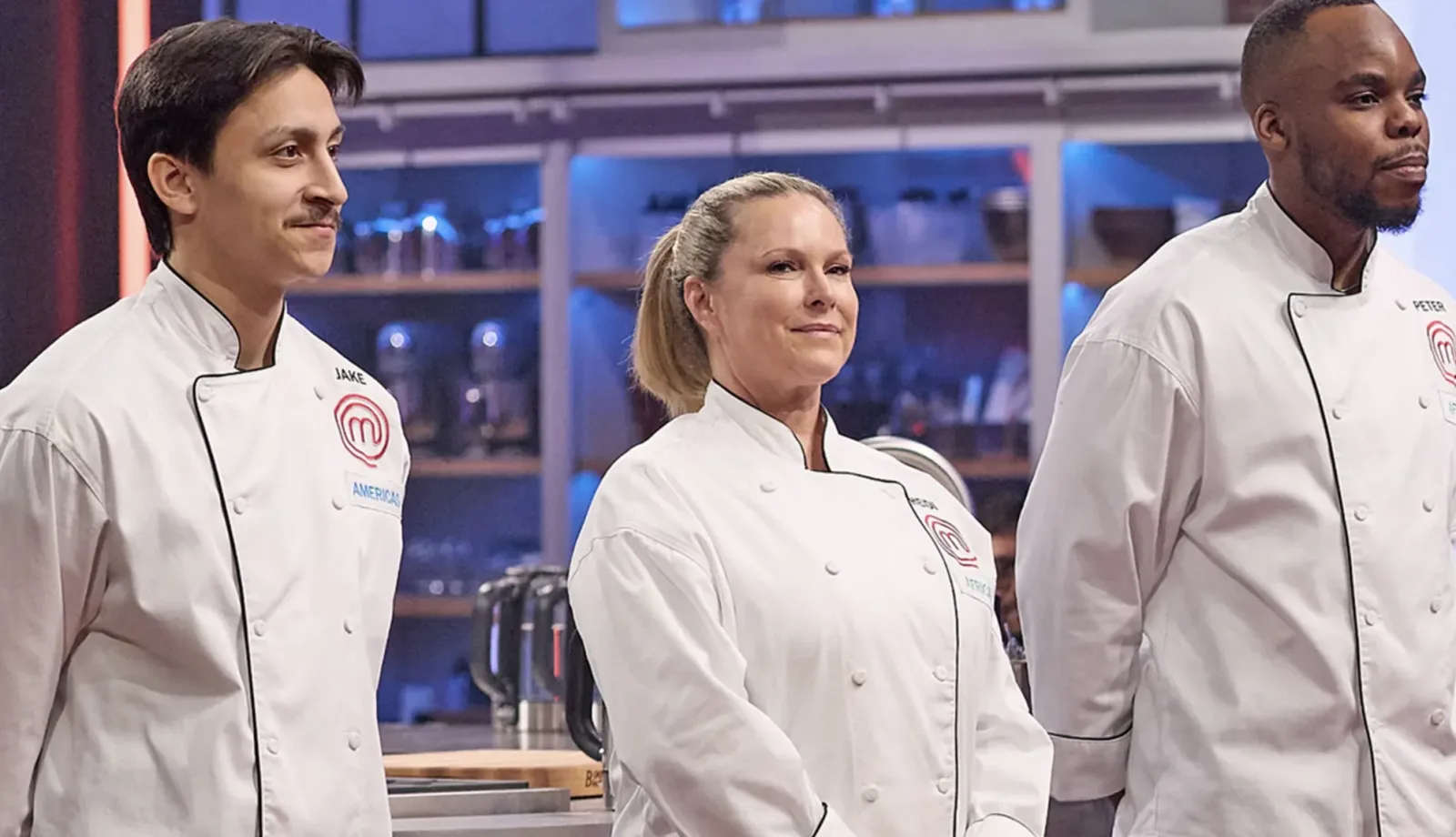
Jake Kelley wins MasterChef Season 16 because his finale menu gives the judges the strongest overall combination of creativity, technical control, and a clear culinary identity across all three courses. MasterChef does not reveal numerical scores or a detailed voting breakdown, so there is no official formula showing exactly how close Jake finished to Heidi Muston or Peter Egede. The televised critiques nevertheless make the reasoning fairly clear. Jake’s appetizer receives exceptionally strong feedback, his duck entree survives a few criticisms without suffering a major technical failure, and his ambitious dessert lands successfully. Across the complete menu, he takes risks without allowing any single mistake to overwhelm the food.
Related: MasterChef Season 16 Episode 18 Recap: Jake Kelley Wins Global Gauntlet
Jake Starts the Finale With His Most Convincing Course
Jake’s first major advantage comes before Finale Part 2 even begins. His opening course, the “Kraken,” pairs ruby prawn and octopus in a taco with avocado crema and aguachile rojo. It is a deceptively difficult choice for a MasterChef finale because presenting a taco alongside conventional fine-dining plates can easily look too casual. Jake avoids that problem by treating the format as modern Mexican cooking rather than trying to disguise it as something else.
The judges respond strongly to the seafood, the char on the octopus, and the overall construction of the bite. Tiffany’s criticism centers on the tortilla being slightly dry, but the dish does not draw the more structural concerns that Heidi receives for her appetizer or the seasoning criticism attached to Peter’s broth. Jake therefore enters the second half of the finale having already established a strong opening course. Contemporary reporting on Finale Part 1 likewise noted that Jake had received notably positive feedback for the taco before the competition moved into its remaining courses.
The “Holy Mole” Entree Shows Both Jake’s Strengths and Restraints
Jake’s pan-roasted duck breast with mole poblano is not a perfect plate, but it demonstrates why his finale is more than one impressive appetizer. His biggest technical concern is the duck, which he fears may have gone too far during cooking. Once Gordon cuts into it, however, the meat proves to be properly cooked, removing the mistake that could have seriously damaged Jake’s chances.
The criticisms instead fall on supporting choices. Gordon does not believe the truffle earns its place beside the mole, and Tiffany considers the Mexican red rice undercooked, although Joe openly disagrees with her assessment of the rice. Those comments matter because they show that Jake’s menu is not being treated as flawless. At the same time, none of them amounts to the kind of central failure that can ruin a finale entree, such as badly cooked protein or a sauce that does not work.
The mole itself also keeps Jake’s menu connected to the food story he has presented throughout Global Gauntlet. Jake represented Mexico on Team Americas and has repeatedly described the competition as part of his effort to explore Mexican cuisine and his family heritage. His approach throughout the season has been less about reproducing traditional dishes unchanged and more about studying those flavors and using them within his own increasingly modern style.
His Dessert Is the Biggest Technical Gamble
The clearest evidence of Jake’s confidence comes with dessert. A sweet corn profiterole is already demanding under a strict time limit, but Jake adds blueberry coulis, roasted-corn white chocolate ganache, chanterelle ice cream, and freeze-dried corn soil. Every extra component creates another opportunity for temperature, texture, or timing to go wrong, which is why the judges repeatedly question whether he has attempted too much.
Jake gets the dish finished, and crucially, the ambition survives tasting. Gordon responds particularly well to the profiterole, while Tiffany’s main adjustment is that the chanterelle ice cream could use more salt. Joe appreciates the concept, which means the unconventional sweet-and-savory combination reads as intentional rather than novelty for novelty’s sake. The dessert therefore does something especially valuable in a finale: it looks risky during the cook but controlled once it reaches the judges.
Why Didn’t Peter Egede Win?
Peter arguably gives Jake his strongest competition because his finale contains very few weak ideas. His Nigerian-inspired steamed snapper appetizer is refined and well executed, although the pepper soup broth is slightly over-seasoned. His suya-spiced beef filet then becomes one of his finest dishes of the competition, with the judges praising both the protein and the way the plate expresses his Nigerian roots.
Dessert is where Peter experiences the most visible danger. His coconut mousse struggles to set, leaving him waiting on the freezer when he should be finishing the presentation. He eventually saves the plate, and its flavor earns strong comments, so the problem does not become a complete failure. Even so, Jake’s menu reaches the final decision without a comparable moment where an entire course is in danger of not coming together at all.
That does not mean the judges explicitly say Peter loses because of the mousse problem. MasterChef does not present its final decision as a point-by-point scorecard. It simply means that, based on what viewers are shown, Jake’s three courses collectively contain fewer moments where execution threatens the entire idea.
Heidi Muston’s Comeback Makes the Decision Closer
Heidi may have the biggest improvement from one finale course to the next. Her chili-marinated black cod appetizer receives criticism because the fish becomes crowded by the salad and supporting elements, leaving the course feeling less focused than Jake’s or Peter’s. She responds with venison tenderloin that earns some of the strongest entree feedback of the entire finale and effectively resets her position in the competition.
Her mirror-glazed marula liqueur mousse continues that recovery. The judges admire the professional pastry technique and the light texture, particularly because baking had not been Heidi’s most obvious strength earlier in the season. If the finale were judged only on entree and dessert, Heidi’s case would look considerably stronger than it did after the first course. The difficulty is that MasterChef is judging the complete three-course menu, and her appetizer creates a larger early weakness than anything on Jake’s menu.
Jake Wins With the Most Complete Three-Course Statement
Jake’s victory ultimately makes the most sense when the three dishes are considered together rather than searching for one plate that wins him the competition. His taco establishes a strong modern Mexican identity, the duck and mole demonstrate technical maturity even with some disputed supporting choices, and the corn profiterole ends the menu with the evening’s boldest dessert concept. There is a visible connection between the three courses without making them feel repetitive.
That consistency is particularly important because Jake does not win by playing safely. His finale includes octopus, mole, truffle, corn, chanterelle ice cream, and several preparations that could easily have become overcomplicated. The judges still find things to criticize, which prevents the result from looking inevitable, but none of those issues breaks the central idea of a dish. Peter and Heidi both produce food worthy of a finale, yet Jake manages to combine identity and experimentation across all three courses with the fewest damaging mistakes.
That is the strongest explanation for why Gordon, Tiffany, and Joe ultimately choose him as America’s 16th MasterChef. Jake entered the competition as a self-taught cook with a neuroscience and chemistry background, and before the finale aired he had already begun moving further into professional kitchens, including work at Vicino in Metro Detroit. Winning Global Gauntlet turns that transition from a possibility into the defining result of his season.