What Did Thérèse Find in the Bastille in A Tale of Two Cities? The Evrémonde Clue Explained
The storming of the Bastille gives A Tale of Two Cities Episode 3 its largest historical set piece, but Thérèse Defarge is interested in something more personal than the fall of the prison itself. While revolutionaries take control of the fortress, she makes her way deeper inside and eventually reaches the place connected to Alexandre…
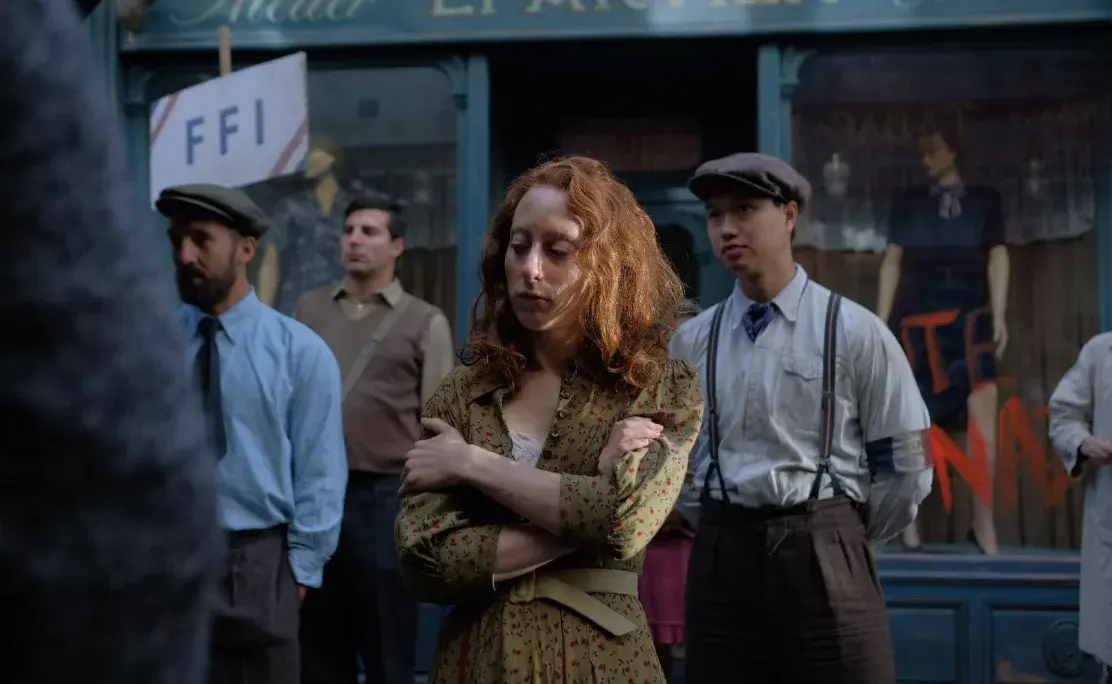
The storming of the Bastille gives A Tale of Two Cities Episode 3 its largest historical set piece, but Thérèse Defarge is interested in something more personal than the fall of the prison itself. While revolutionaries take control of the fortress, she makes her way deeper inside and eventually reaches the place connected to Alexandre Manette’s long imprisonment.
What she discovers there is only a name, but it is the one name Charles Darnay has spent years trying to escape: Evrémonde. Coming immediately after Charles’ wedding to Lucie, the discovery turns an apparently hopeful ending into a warning about what the Manettes still do not know about their two families.
Related: A Tale of Two Cities Episode 3 Recap and Ending Explained: Who Does Lucie Choose?
Why Does Thérèse Search the Bastille?
Thérèse’s interest in Alexandre has never been limited to sympathy for a man imprisoned without trial. She believes his past may contain information about the Evrémonde family, whose actions have already become central to her desire for revenge.
Alexandre himself has struggled to recover those memories. Eighteen years in the Bastille left large parts of his past fragmented, and even after returning to London, he admits that he has forgotten much of what happened before and during his imprisonment.
The prison therefore represents something Alexandre himself cannot yet fully provide: a record of the life that was taken from him. When the Bastille falls, Thérèse finally has an opportunity to look for that record herself.
Why Is the Name Evrémonde Important?
Evrémonde is Charles Darnay’s real family name. Charles has already explained to Lucie that the Marquis is his uncle and that he abandoned France because he was ashamed of the way his aristocratic family treated the people living on its lands. He later returned specifically to reject that birthright.
By the end of Episode 3, Charles believes the separation is complete. He marries Lucie and proudly says he can finally bury the Evrémonde name. Thérèse’s discovery proves that changing his own identity cannot erase the history attached to it.
More importantly, the presence of the name inside the Bastille suggests that Alexandre Manette’s imprisonment was not random. Somehow, the Evrémondes were involved.
Did Alexandre Leave Something Behind in the Bastille?
Episode 3 itself only begins this revelation, so the series has not yet shown viewers the complete evidence Thérèse may uncover. The word “Evrémonde” is enough to establish the connection, while the remainder is being held for the final episode. Charles Dickens’ novel provides a major clue about where the adaptation is heading.
In the original story, Doctor Manette secretly writes an account of the circumstances that led to his imprisonment and hides it inside his Bastille cell. The document is eventually recovered after the fortress falls and later becomes crucial evidence during Charles Darnay’s trial.
The MGM+ series appears to be adapting that storyline while revealing it in a more visual way.
How Are Alexandre and the Evrémondes Connected?
In Dickens’ novel, Alexandre Manette learned about serious abuses committed by members of the Evrémonde family while working as a physician. When he attempted to expose what he knew, he was taken away and imprisoned in the Bastille.
His secret written account identifies the Evrémondes as responsible for his imprisonment and condemns the family for what happened. Years later, that same account becomes dangerous for Charles even though he personally rejected the actions of his relatives.
The television adaptation has not yet confirmed every detail in exactly the same form, so the book should not be treated as a scene-by-scene spoiler for Episode 4. The name in Alexandre’s cell, however, strongly indicates that the series is moving toward the same fundamental connection.
Why Is the Discovery Dangerous for Charles?
The problem is not what Charles has done. It is who Charles is. Charles considers himself Darnay rather than Evrémonde and has openly rejected his family’s aristocratic inheritance. He wants nothing to do with the cruelty associated with his uncle or the privileges that came with the name. Revolutionary justice may not recognize that distinction.
Episode 4’s official synopsis already confirms that Charles will be arrested after returning to Paris and that a revelation at his trial changes everything.
That makes Thérèse’s discovery in the Bastille one of the most important pieces of setup in Episode 3. Whatever Alexandre recorded about the Evrémonde family may become evidence against Charles precisely because Charles is the surviving heir to that bloodline.
Why Does Episode 3 End With the Name Evrémonde?
The final editing makes the point especially clear. In London, Charles has just married Lucie. Alexandre accepts him as a son, Charles embraces the Manette family, and he declares that he can finally bury the name Evrémonde and concentrate on the life ahead.
Then the story returns to Thérèse. “Evrémonde.” Charles is trying to bury the name at exactly the moment somebody else is digging it back up. That is the real meaning of A Tale of Two Cities Episode 3’s ending. Charles may have rejected his inheritance morally, but the consequences of that inheritance remain alive. Worse still, the evidence appears to come from Alexandre Manette, the father of the woman Charles has just married.
The finale is therefore poised to turn Charles’ happiest moment into his greatest danger. His marriage makes him a Manette, but Thérèse’s discovery ensures that revolutionary France will still see an Evrémonde.