Physical 100 Italy Episodes 1-3 Recap: Jury Chechi’s Exit and the First Team Twist
Physical 100 Italy does not spend much time letting its famous contestants enjoy their reputations. The Italian edition arrives with Olympic champions, national-team athletes, fighters, CrossFit competitors and television personalities sharing the same arena, but the first three episodes quickly establish the rule that made the original Korean format work: a recognizable name offers no…
Physical 100 Italy does not spend much time letting its famous contestants enjoy their reputations. The Italian edition arrives with Olympic champions, national-team athletes, fighters, CrossFit competitors and television personalities sharing the same arena, but the first three episodes quickly establish the rule that made the original Korean format work: a recognizable name offers no protection once the contest begins. Jury Chechi looks like an early favorite, Federica Pellegrini brings the mentality of an elite champion, and Elisabetta Canalis arrives with years of kickboxing training behind her. By the end of the opening batch, however, several familiar faces are already gone and the remaining 40 contestants are forced to think about alliances as much as individual strength.
Netflix released Episodes 1-3 together on September 11. The season contains eight episodes, with Episodes 4 and 5 arriving September 18, Episodes 6 and 7 on September 25, and the finale on October 2.
Also Read: Does Massi Scarcia Like Chef Joy on Below Deck Med? His Crush Explained
The First Challenge Immediately Cuts the Field From 100 to 80
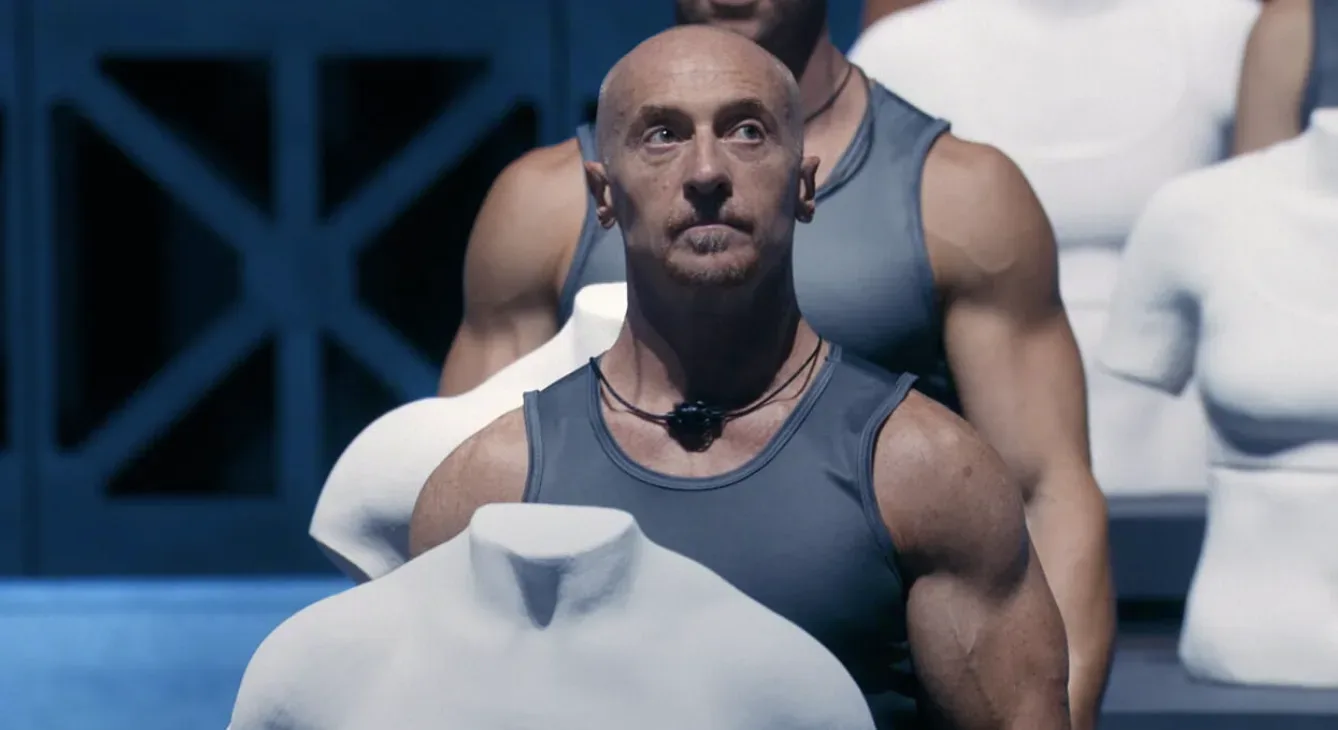
The competition begins in the Sala dei Busti, where every contestant is represented by a sculpture of their body. It is an effective reminder of the premise: everyone enters with a different physique and sporting background, but only what they can do inside the arena matters. The first challenge strips away celebrity status especially quickly.
All 100 competitors must remain suspended above a pool while holding themselves in position on an overhead structure. Grip strength matters, but so do body control, endurance and the ability to tolerate increasing discomfort. Twenty contestants fall out of the competition before the proper head-to-head phase even begins, reducing the field to 80.
Jury Chechi is one of the standout performers. The former Olympic rings champion does not merely survive the challenge; he finishes at the top, immediately showing why his gymnastics background remains so effective decades after his competitive career. Chechi had explained shortly before the show’s release that he continues to train with bodyweight and calisthenics exercises, which makes a grip-heavy endurance challenge unusually well suited to him. That result makes what happens later much harder to predict.
The One-on-One Ball Duels Change the Competition
Once 20 contestants are gone, Physical Italia moves into the kind of challenge that can overturn the rankings almost instantly. The remaining 80 competitors face one-on-one battles centered on gaining and keeping possession of a ball, with arenas built around different combinations of water, mud, obstacles and open space.
Winning now depends on more than general athletic ability. Contestants have to understand the arena, judge their opponent and decide whether speed, wrestling, endurance or simple ball control offers the safest route through. Forty people survive and forty are eliminated, cutting the original cast by more than half within the first release batch.
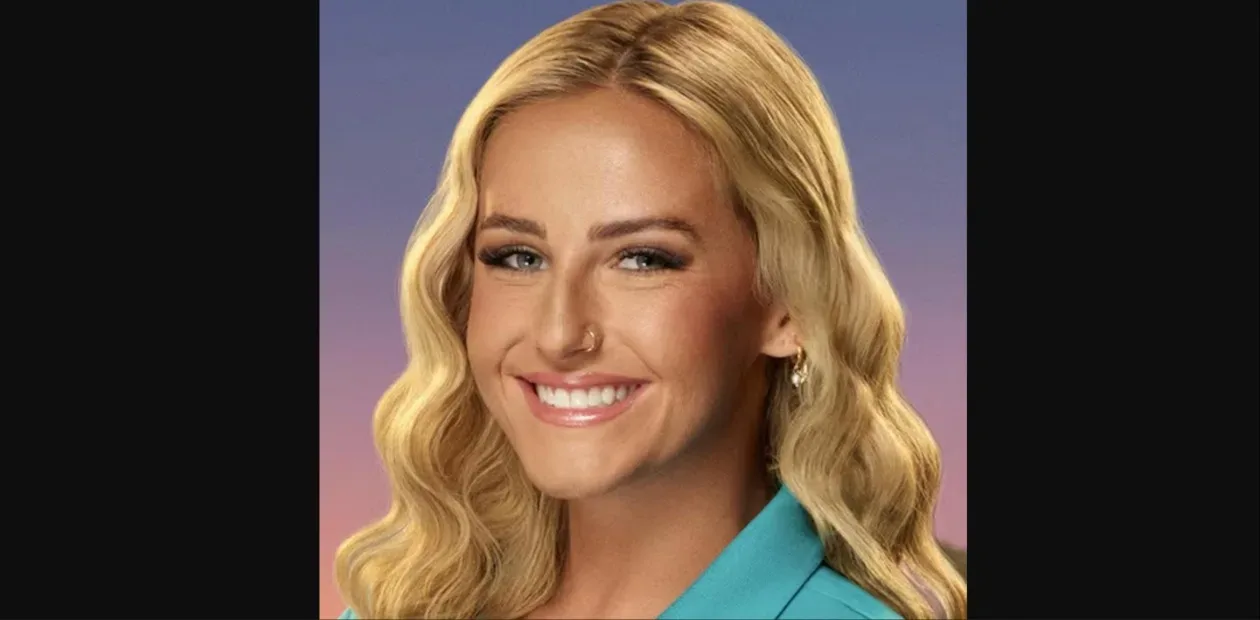
Elisa Fuliano becomes one of the most noticeable competitors during this phase. Her approach emphasizes speed and control rather than turning every duel into a prolonged wrestling match. Her battle with Elisabetta Canalis also produces one of the more discussed early matchups, with viewers praising Fuliano for using the structure of the challenge rather than giving her opponent opportunities she did not need to offer. Early audience discussion has already singled her out as someone worth watching as the competition develops.
The duels also remove Luis Sal, whose personality had made him one of the most distinctive non-athlete contestants in the opening episodes. Viewer reaction after Episode 3 suggests his humor will be missed almost as much as some of the bigger sporting names.
Jury Chechi’s Elimination Is the Biggest Surprise
Jury Chechi’s exit becomes the most unexpected elimination of the first three episodes precisely because his opening performance had been so strong. He enters the duel phase having already demonstrated elite grip endurance and body control, and his Olympic career gives him more big-stage experience than almost anyone in the competition. The ball challenge does not reward those strengths in the same direct way.
Chechi’s approach gives up an advantage that viewers expected him to exploit. Instead of using the agility-based arena to make early possession of the ball the priority, his tactical choices allow the duel to develop on less favorable terms. Once control shifts away from him, the challenge becomes much harder to recover.
The reaction after release has focused far more on the decision-making than on his physical condition. Viewers have questioned why someone who had just won the opening challenge did not use speed and positioning more aggressively, especially after other contestants demonstrated how effective an early grab could be in the same type of arena.
His elimination is followed by one of the more respectful moments of the batch, with his victorious opponent acknowledging him after the result. Chechi leaves without the extended run many expected, but his early exit also proves the show’s central argument better than almost any planned twist could have.
The Remaining 40 Have to Think About Teams
After the one-on-one phase, the competition changes again. Individual athletic ability has carried the survivors this far, but the next stage introduces team selection and suddenly makes reputation valuable again.
The strongest and most respected competitors become attractive leaders, while others risk being left with whoever remains after the more obvious choices have been made. That creates one of the first genuinely social dynamics of Physical 100 Italy. A great athlete can survive an individual duel on personal ability, but a badly constructed team can erase that advantage in the next quest.
Elisa’s position draws immediate comparisons from longtime Physical: 100 viewers to Jang Eun-sil’s situation in the original Korean series. A female-led team appears vulnerable during the selection process, with stronger-looking contestants gravitating toward groups they perceive as safer. Several viewers have already criticized the strategy, arguing that competitors are once again confusing physical size and popularity with actual team value.
The comparison may prove premature, but the first three episodes make Elisa one of the batch’s emerging figures rather than simply another contestant among 100.
Federica Murgia’s Return Is Already Creating Debate
Another early talking point surrounds Federica Murgia, whose competition status becomes unusually complicated. Viewer discussion has focused on the fact that she appears to receive more than one route back into the competition after being eliminated, including a later return connected to another contestant leaving.
The show may provide more context for that decision as the season continues, but the reaction is understandable. Physical: 100 works because elimination is supposed to feel severe and permanent, and repeated exceptions risk making the rules appear less consistent.
For now, it is better treated as an unresolved competition-rule question rather than evidence that producers deliberately favored Murgia. The next release should make clearer whether the mechanism has consequences later in the game.
The First Three Episodes Leave Physical 100 Italy With a Stronger Field
The most effective thing about the opening batch is how quickly it removes the assumption that the famous contestants will naturally dominate. Chechi can win the first challenge and still leave in the next phase. Canalis can bring legitimate combat training and still encounter an opponent whose strategy fits the game better. Creators and television personalities discover that conditioning alone does not replicate competitive experience.
Meanwhile, less internationally familiar contestants such as Elisa Fuliano begin moving toward the center of the season.
That is exactly where Physical Italia needs to be after three episodes. The celebrity names helped sell the adaptation, but the competition becomes more interesting once the audience stops asking which famous person will win and starts recognizing competitors they may not have known before entering the Sala dei Busti.
The first batch ends with 40 survivors facing a new problem. They have already proved they can protect their own bust. Episodes 4 and 5 will begin showing whether they chose the right people to protect it with.