How Did Ezra Frech Dance on DWTS With a Prosthetic Leg? His Premiere Tango Explained
Ezra Frech entered Dancing With the Stars Season 35 facing a challenge unlike most of the celebrities around him. The Paralympic champion has spent years pushing the limits of what he can do as an athlete, but ballroom dancing requires a completely different kind of movement, particularly when working in hold with a partner. His…
Ezra Frech entered Dancing With the Stars Season 35 facing a challenge unlike most of the celebrities around him. The Paralympic champion has spent years pushing the limits of what he can do as an athlete, but ballroom dancing requires a completely different kind of movement, particularly when working in hold with a partner.
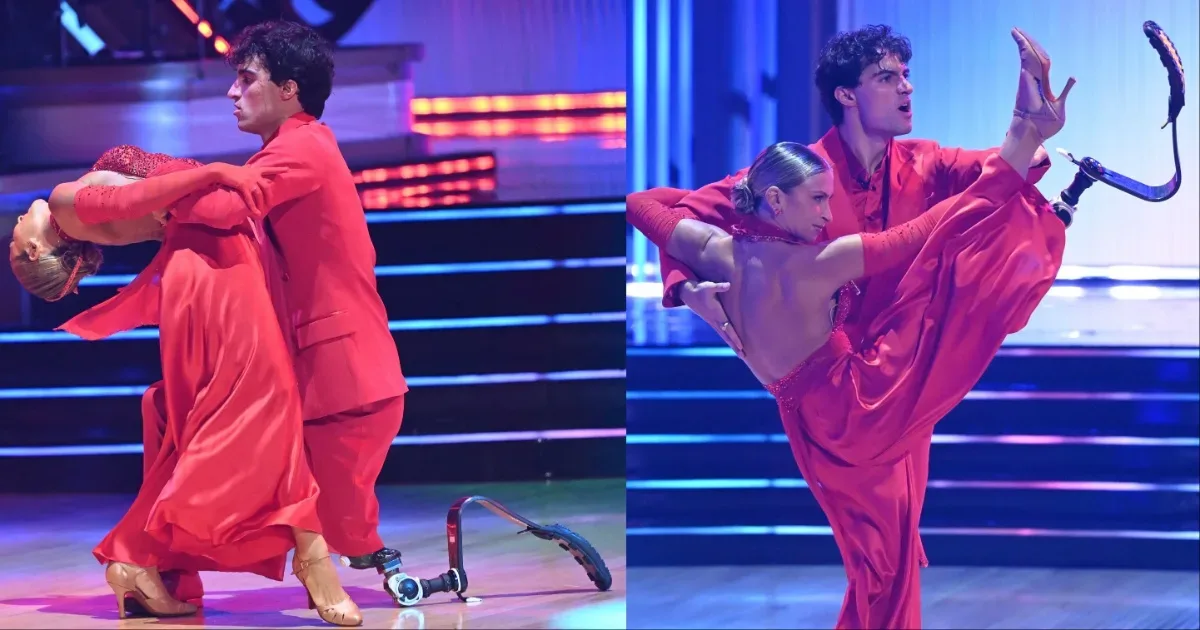
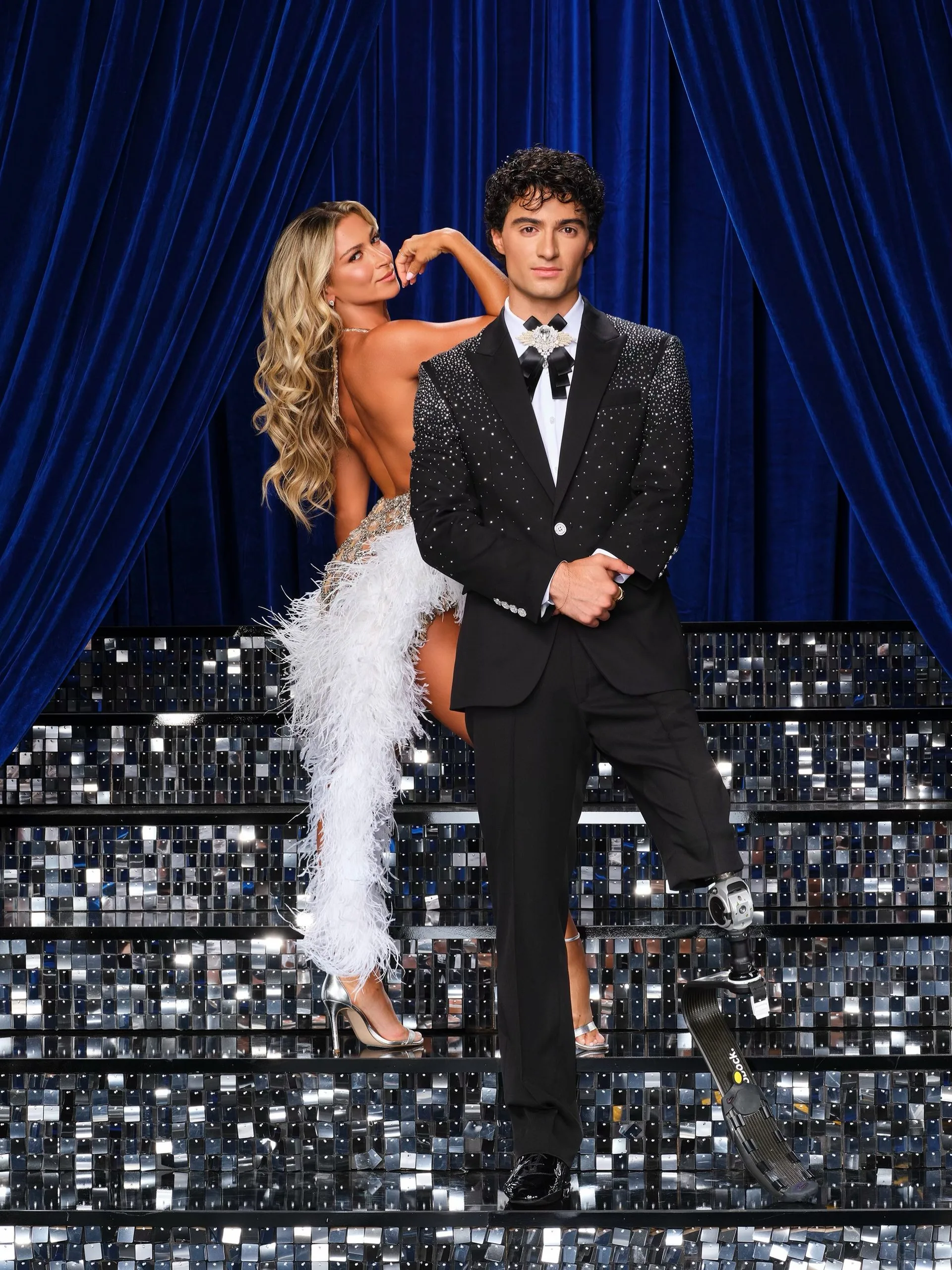
His first routine offered the clearest look yet at how that transition could work. Frech and professional partner Daniella Karagach performed a tango to Kelly Clarkson’s “Since U Been Gone” and earned 20 points out of 30, putting them near the top of the Night 1 leaderboard. More importantly, the judges praised the way the pair approached the choreography rather than treating Frech’s prosthetic leg as something that had to be hidden or worked around.
Related: Why Was Conner Leavitt Eliminated From DWTS Instead of Guillermo Rodriguez?
Ezra Frech Uses a Prosthetic Leg
Frech was born with a congenital limb difference that affected his left leg and left hand. He was born without most of his left leg, including his knee and fibula, and received his first prosthetic when he was still an infant. He later underwent an amputation that allowed him to use a prosthetic more effectively.
View this post on InstagramA post shared by Daniella Karagach Pashkova (@daniellakaragach)
That background has never prevented him from becoming an elite athlete. Frech won Paralympic gold medals in both the high jump and 100 meters at the 2024 Paris Games and has built much of his public work around changing the way disability is perceived.
DWTS, however, presents a different physical problem from sprinting or jumping. Frech is accustomed to competing with equipment designed for athletics, while ballroom dancing demands controlled weight changes, pivots, close partnering and precise movement across the floor. That made Daniella Karagach’s approach to his first routine particularly important.
Daniella Karagach Had to Find a Different Way to Teach the Tango
Frech did not simply perform a standard tango while ignoring the differences created by his prosthetic leg. The choreography had to reflect how he naturally moves and how his body responds to ballroom technique.
That was exactly what Carrie Ann Inaba praised after the performance. She credited Karagach with finding new ways for Frech to execute tango movement and said the routine demonstrated what becomes possible when choreography is adapted to the individual dancer.
The result still looked recognizably like a tango. Frech maintained a ballroom frame, moved across the floor with Karagach and handled several pivots that impressed Derek Hough.
Bruno Tonioli was particularly struck by Frech’s ability to lead. Rather than appearing as though Karagach was simply guiding him through the choreography, Frech took responsibility for directing the partnership across the floor. Tonioli praised his focus and control while still encouraging him to make the movement smoother as the competition continues.
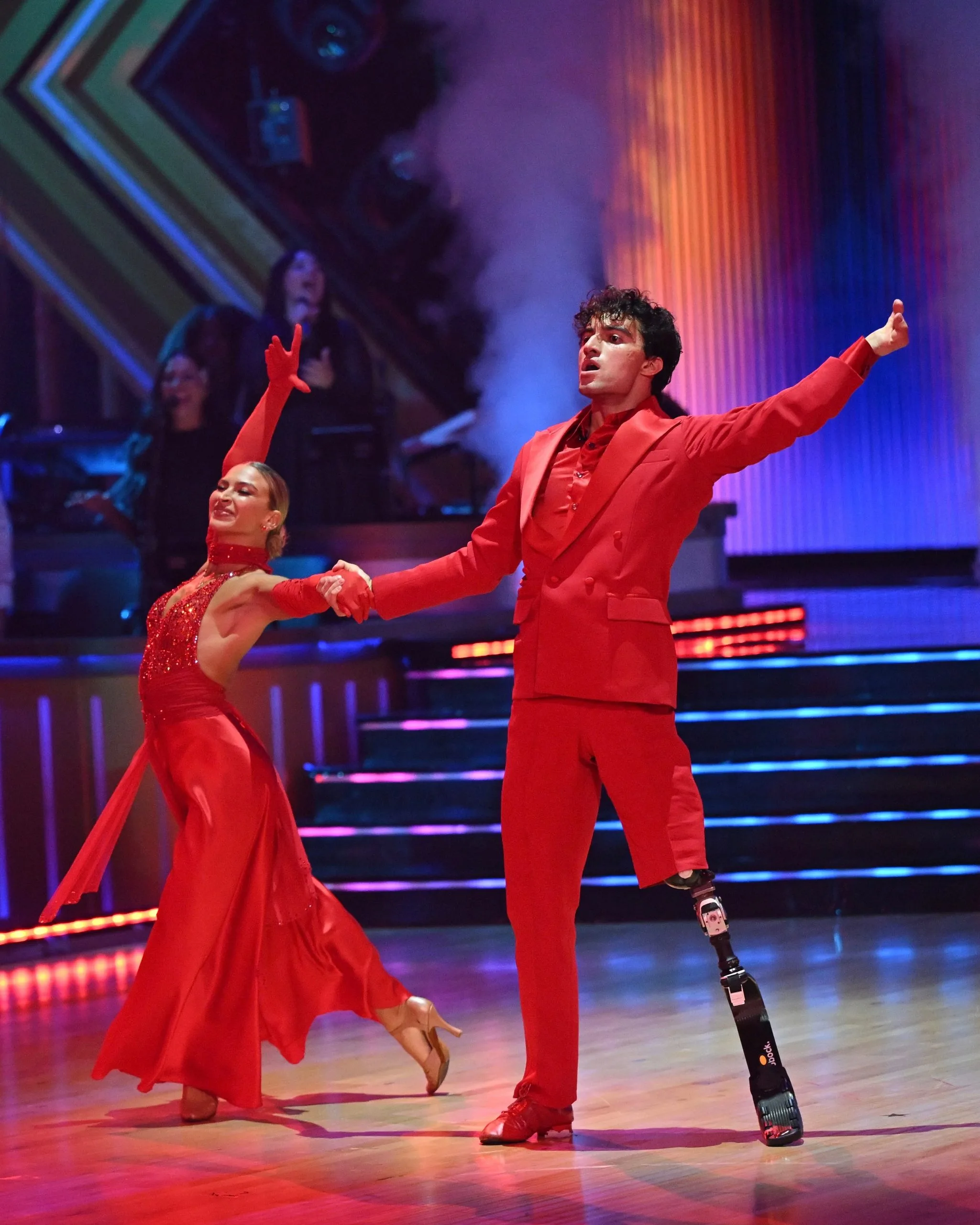
That distinction matters. The judges were not rewarding the routine simply because Frech completed it. They were assessing whether he could perform the characteristics of the assigned dance.
Ezra’s Running Blade Was a Concern Before the Performance
Frech also acknowledged that the equipment he uses brings practical considerations to the dance floor. Before the tango, he discussed the possibility that his running blade could buckle or become dislodged during movement, something that can also happen during athletic competition. The concern was noticeable enough that it became part of the conversation surrounding his premiere performance.
Nothing went wrong with the prosthetic during the live routine. Frech and Karagach completed the tango without an equipment problem, allowing attention to remain on the dancing itself.
The performance also showed why every dance style may present a different challenge. A tango asks for qualities such as a strong frame, grounded movement and controlled direction changes. A Latin dance may demand a completely different use of the hips, knees and weight placement.
Karagach and Frech will therefore have to continue adjusting their approach as the assigned styles change.
The Judges Gave Ezra Frech the First 7s of the Night
The judges responded strongly to the premiere. Inaba and Tonioli each gave Frech a 7, while Hough awarded a 6. The total of 20 out of 30 gave Frech the first 7s of Season 35 and temporarily put him at the top of the leaderboard. Only Harry Shum Jr., who later scored 21, finished Night 1 above him.
Hough became emotional while discussing the performance and praised Frech’s frame and pivots. Inaba focused on the larger significance of seeing a contestant find a different way to perform familiar ballroom movement, while Tonioli emphasized how convincingly Frech took on the role of leading man.
The judges still identified areas for improvement, particularly in making the movement more controlled and fluid. That kept the scores from becoming purely celebratory and gave Frech technical goals for the weeks ahead.
Ezra Frech Wants DWTS to Normalize Disability
For Frech, participating in DWTS has a purpose beyond learning ballroom dance. He has repeatedly spoken about wanting to normalize disability and show what is possible for an amputee. Before the season began, he described that goal as central to his life, something he had previously pursued through track and field and now had the opportunity to continue through dance.
His premiere provided an early example of what that can look like without reducing the competition to an inspirational storyline. Frech was not given a symbolic score for simply appearing on the ballroom floor. He performed one of the strongest routines of the night and was judged on the same 30-point scale as everyone else.
The more interesting question now is how the partnership develops when Karagach has to translate other ballroom and Latin styles to Frech’s movement. Their tango showed that the solution is not to pretend his prosthetic leg changes nothing. It is to understand what movement is possible, choreograph intelligently around it and still preserve the character of the dance.
On premiere night, that approach worked well enough to put Ezra Frech among the highest-scoring contestants of Season 35.