East of Eden Filming Locations
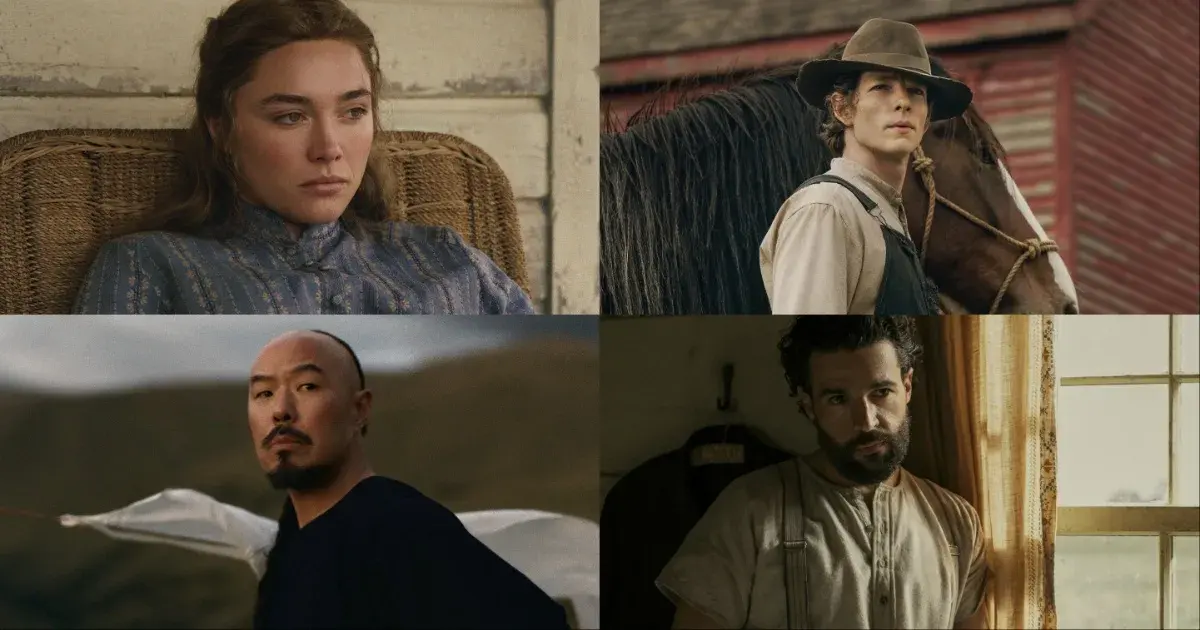
Netflix’s East of Eden may belong to California’s Salinas Valley on the page, but Zoe Kazan’s seven-part adaptation found much of its early-20th-century America thousands of miles away. Florence Pugh leads the series as Cathy Ames, whose path becomes entangled with brothers Adam and Charles Trask before the story moves into another generation of the…
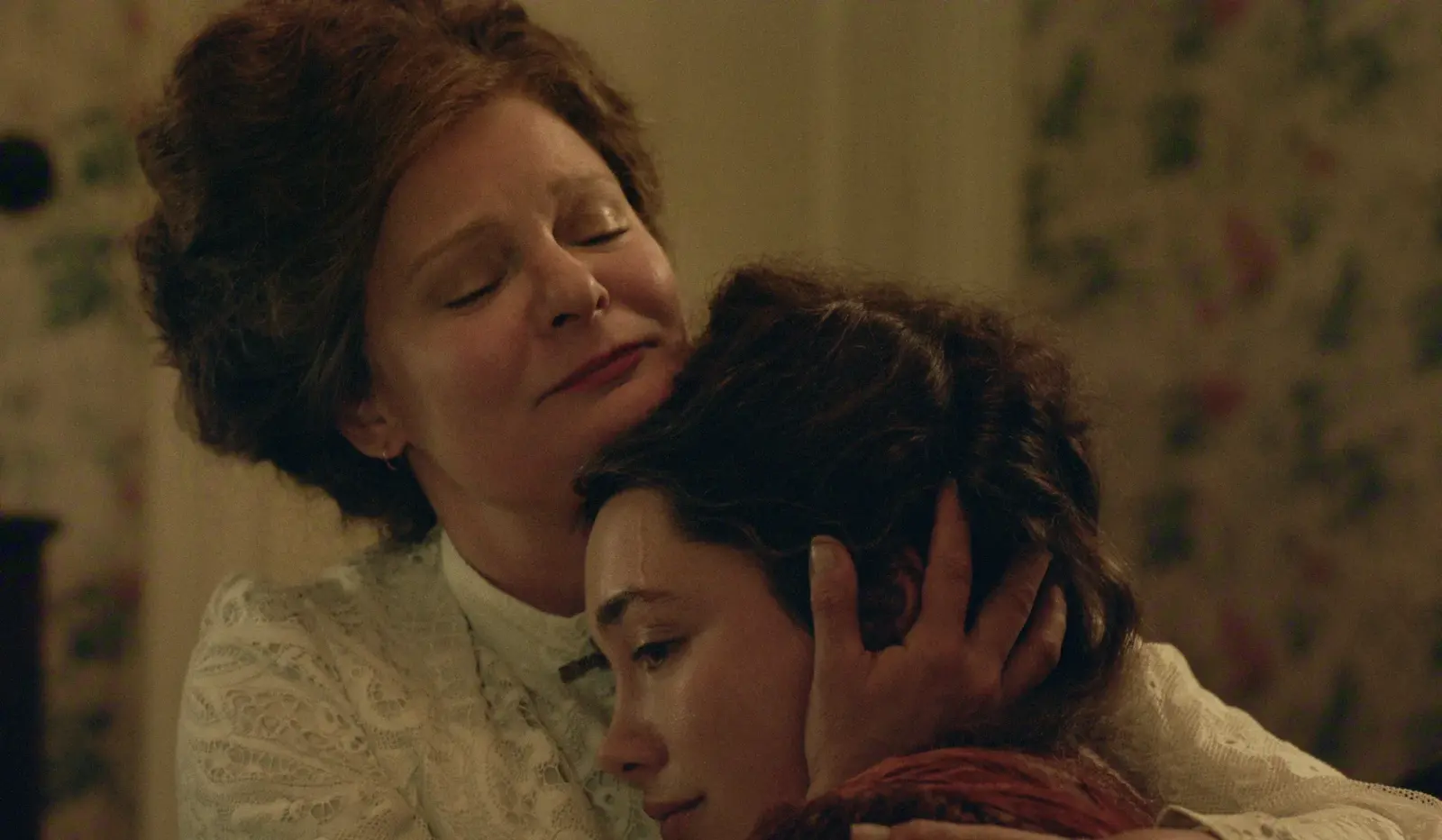
Netflix’s East of Eden may belong to California’s Salinas Valley on the page, but Zoe Kazan’s seven-part adaptation found much of its early-20th-century America thousands of miles away. Florence Pugh leads the series as Cathy Ames, whose path becomes entangled with brothers Adam and Charles Trask before the story moves into another generation of the family. To create that sweeping world, the production moved through cities, heritage districts and open landscapes across New Zealand, using everything from Victorian streets to rural Otago country. Rather than relying on a single backlot, the filmmakers used different parts of the country to build a version of California capable of changing with the Trask family across several decades.
Where Was East of Eden Filmed?
East of Eden was filmed extensively in New Zealand, with confirmed production work in Oamaru, Central Otago, Dunedin and Auckland. Production listings also identify Thames among the locations, while principal photography reportedly ran from October 2024 into April 2025. Garth Davis directed the first four episodes, while Laure de Clermont-Tonnerre directed the final three.
That broad geographic spread makes sense for an adaptation that moves between farms, family homes, small towns and different generations. Instead of asking one New Zealand city to impersonate every corner of California, the production selected places for their individual character, combining genuine heritage streets with open countryside and carefully redressed residential neighborhoods.
Oamaru Became a Major Period Setting
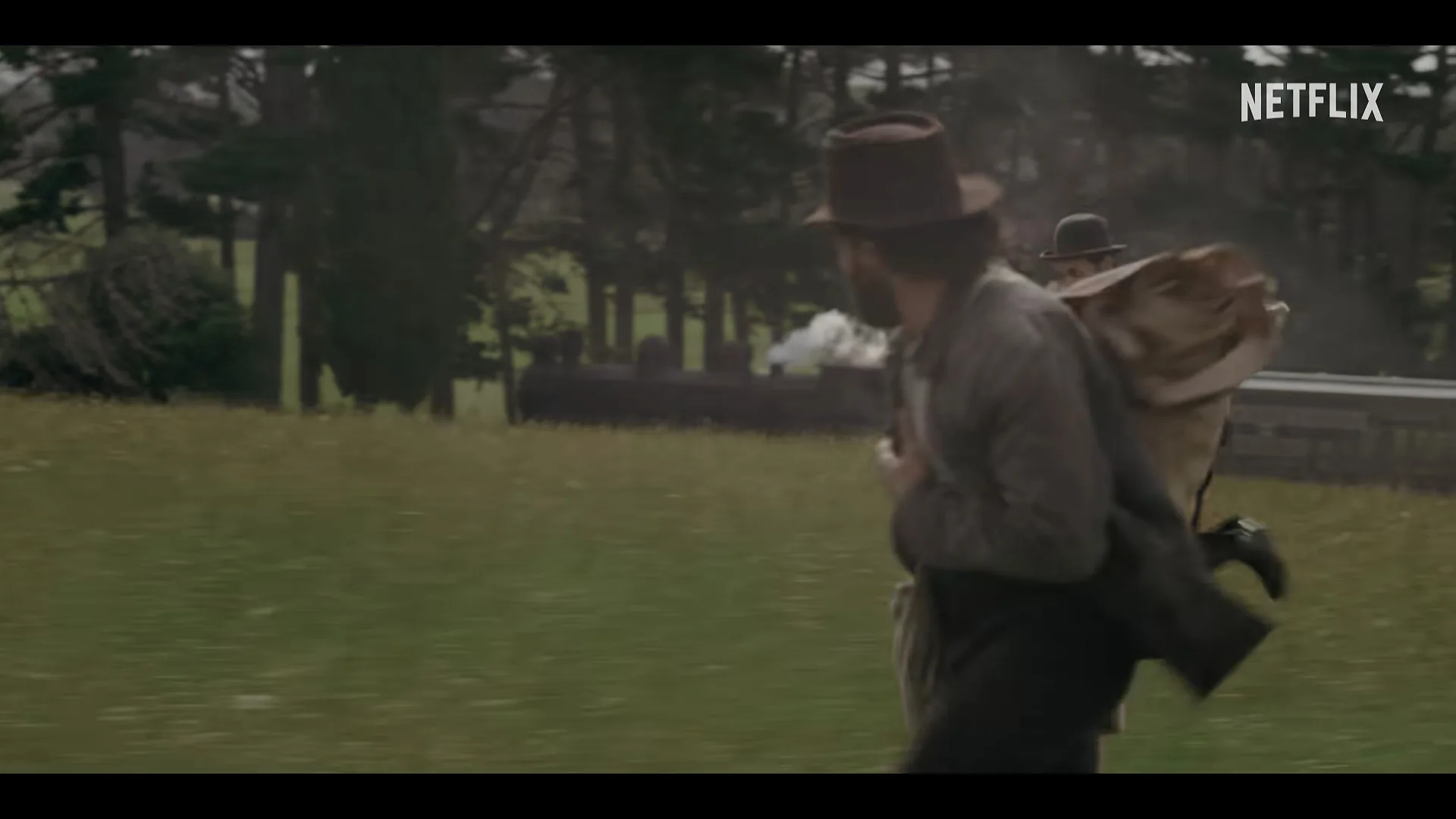
Oamaru was one of the most visible East of Eden filming locations, particularly its Victorian Heritage Precinct. Production moved into the area in January 2025, transforming the town’s preserved stone architecture into an early-20th-century American setting.
Also Read: East of Eden Cast and Character Guide
The Harbourside area was among the locations involved, while local production activity also extended to places including Scottish Hall and the Oamaru Squash and Badminton Club. Businesses and streets around the heritage district were temporarily adapted for filming, with period signs, vehicles, costumes and production dressing helping disguise modern New Zealand.
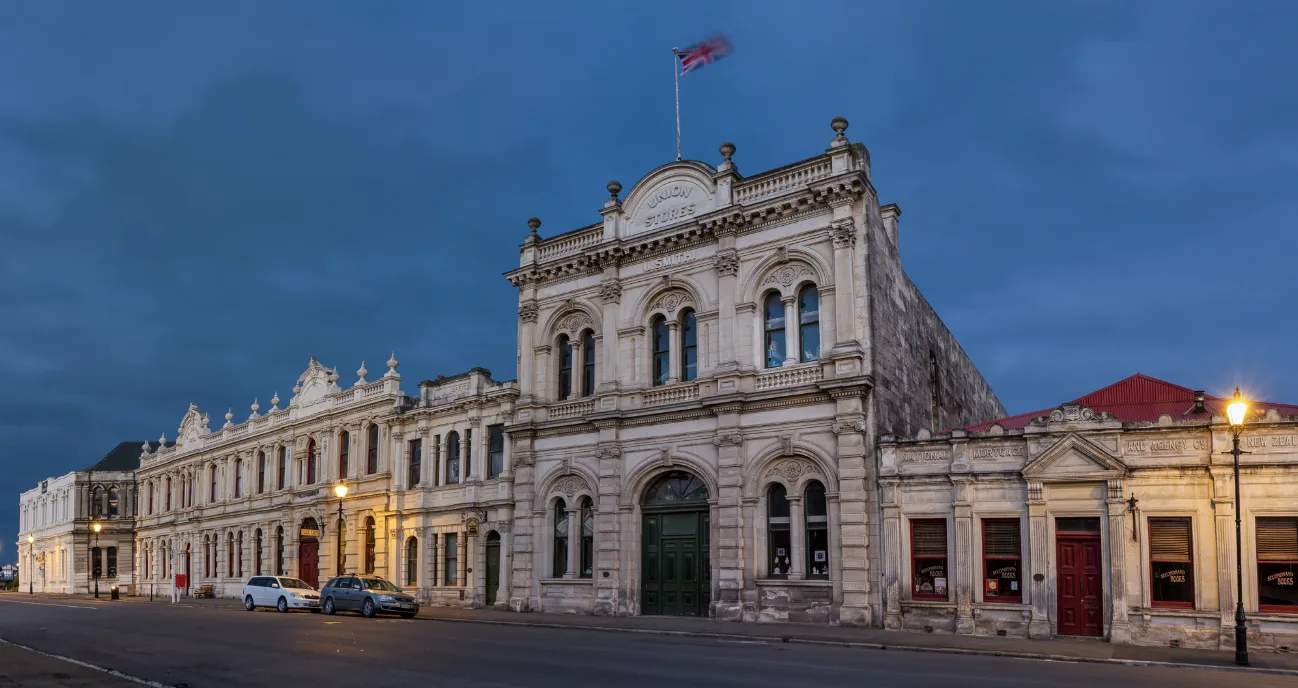
Oamaru is unusually well suited to a period drama because much of the physical work has already been done by the town itself. Its limestone buildings give the production a complete streetscape rather than a collection of isolated facades. The filmmakers could therefore concentrate on changing the cultural identity of the location rather than building an entire town from scratch.
Central Otago Supplied the Open California Landscape
The production also moved inland to Central Otago, where filming took place around Hills Creek near Oteake Conservation Park in the Maniototo. Sets connected with East of Eden were photographed there during the January 2025 shoot.
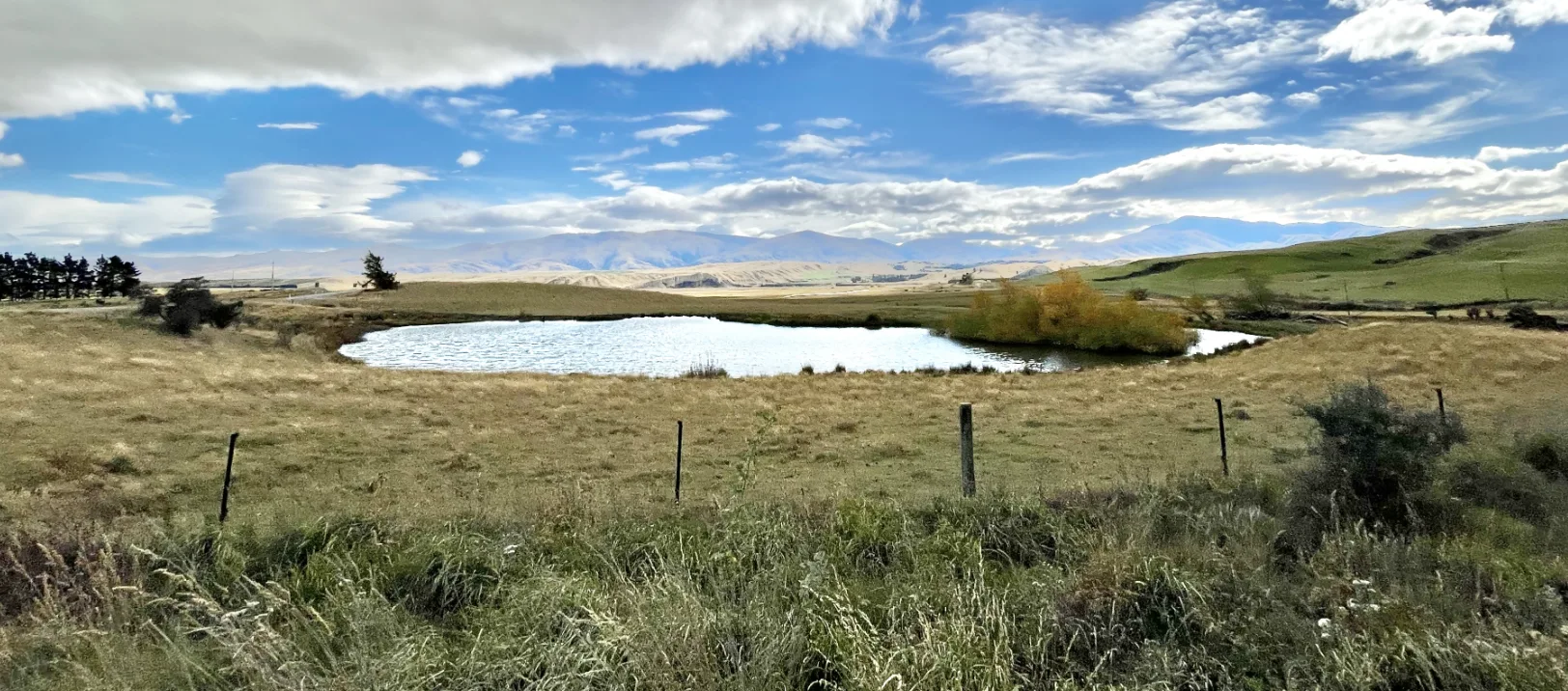
The Maniototo gives the series something Oamaru cannot provide: broad, exposed landscapes with an agricultural character. Steinbeck’s story is deeply connected to land, ownership and inheritance, so the countryside is more than background scenery. It gives the Trask family’s ambitions a physical scale and helps the adaptation establish the rural world surrounding their homes and farms.
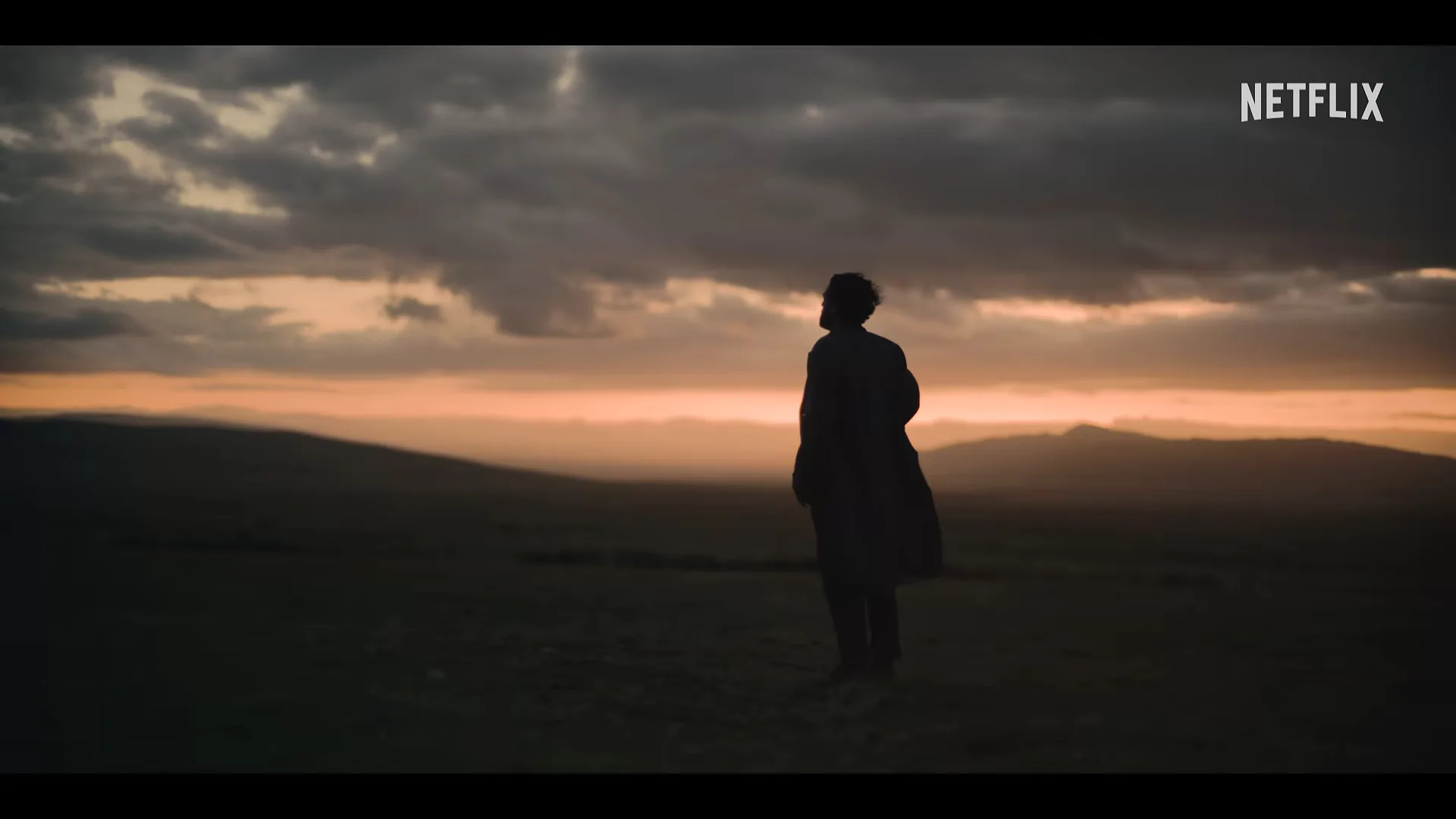
The contrast between Central Otago and the heritage towns is also important visually. East of Eden can move from enclosed family interiors and established streets into land that appears almost limitless, reflecting the changing fortunes and ambitions of the people living there.
Dunedin’s Historic Streets Were Transformed for the Series
East of Eden also filmed extensively in Dunedin, where several central streets and heritage areas were temporarily occupied by the production. Filming activity was reported around Queens Gardens, Dowling Street, Burlington Street and Lower Stuart Street, with nearby areas including Princes Street, Liverpool Street, Water Street, Bond Street and Vogel Street also affected.
Florence Pugh was photographed in period costume during the Dunedin shoot, surrounded by production dressing, vintage vehicles and background performers. The city’s older stone architecture allowed scenes to have considerable physical depth, particularly when characters needed to move through busy streets rather than appear against a narrow exterior set.
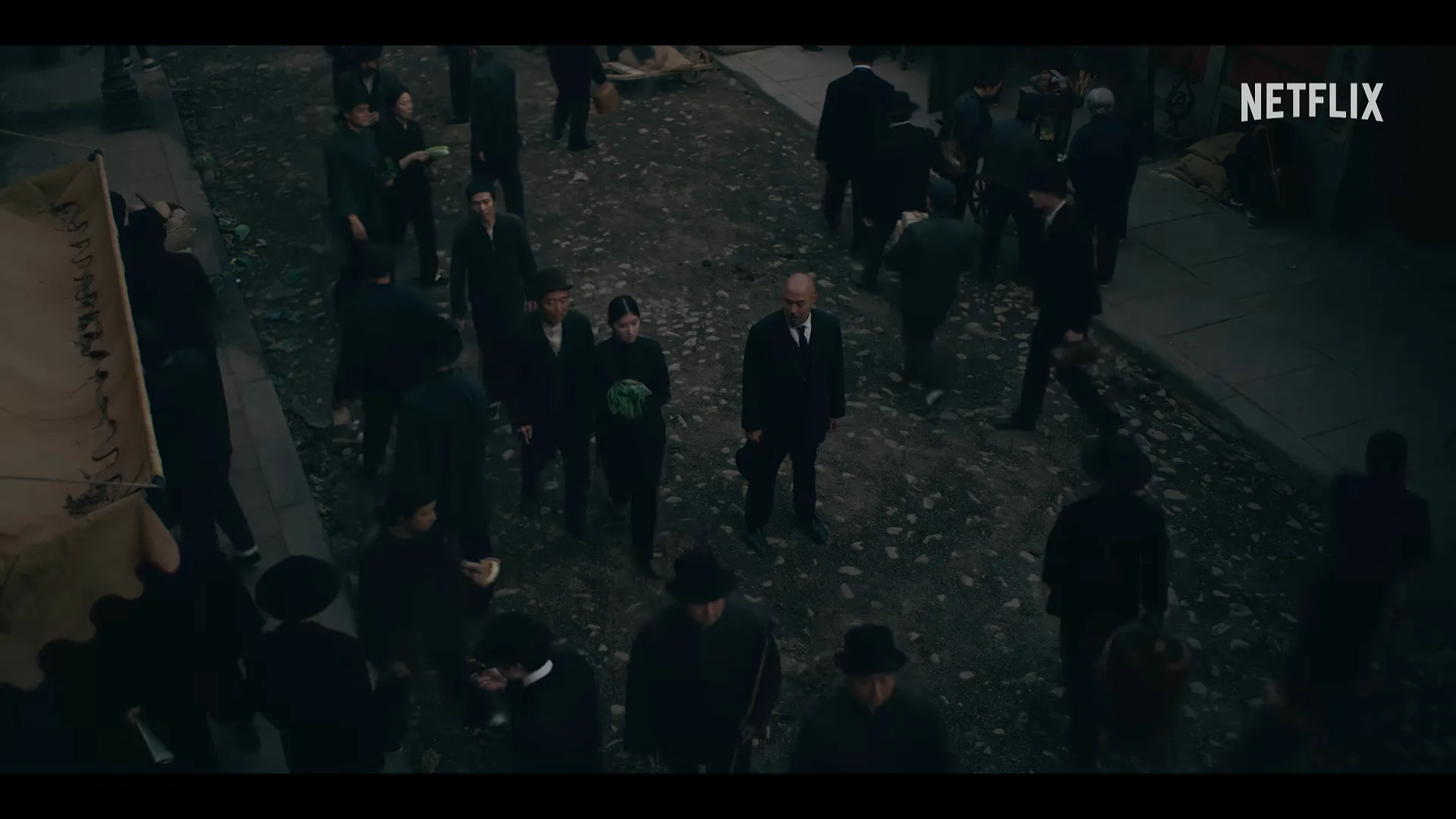
Dunedin is therefore another important piece of the series’ fictional American geography. The production selected areas whose architecture could survive being transformed into early-20th-century California without requiring every background to be created digitally.
Auckland’s Cheltenham Stood In for California
The production later traveled north to Cheltenham in Devonport, Auckland, for several days of filming in February 2025. Around 200 cast and crew reportedly worked in the area as residential streets were transformed into another part of the series’ version of California.
Homes around Cheltenham Road were temporarily modified for the production. Some properties were repainted in period-appropriate colors, including a villa dating back to the early 1900s, allowing the neighborhood to fit the historical timeline more naturally.
That level of preparation shows how carefully East of Eden approaches its residential environments. Instead of simply framing out obvious modern elements, the production altered the streetscape itself. Those details help footage filmed in Auckland blend with scenes captured hundreds of kilometers away in Otago.
What About Thames?
Thames is also listed among East of Eden’s New Zealand filming locations. However, there is currently less detailed production information publicly available connecting individual Thames streets or properties to specific scenes in the series.
For that reason, Thames is best described as a reported filming location without assigning particular story settings to it. Oamaru, Dunedin, Central Otago and Cheltenham currently have much stronger local documentation showing exactly when and where East of Eden production activity occurred.

That distinction is important with a project of this scale. A city appearing on a production list does not necessarily mean every recognizable scene can already be traced to a particular building or street.
New Zealand Became East of Eden’s California
The location strategy works because New Zealand is doing more than providing scenic substitutes. Oamaru and Dunedin contribute historic streets, Central Otago supplies agricultural scale, and Cheltenham adds early-20th-century residential architecture. The filmmakers combine these physically different environments into one continuous California.
That approach gives East of Eden a larger world without forcing the production to construct every location inside a studio. It also allows the landscape to change as the story moves through generations, while still maintaining a consistent visual identity.
For viewers familiar with Salinas and Monterey County, the New Zealand locations may not reproduce California literally. What they provide instead is the period texture, open land and architecture needed to make Steinbeck’s world feel lived in. New Zealand effectively becomes the physical foundation beneath the Trask family’s version of America.